










Kodak cameras: history, film, EasyShare and which model to choose
From Brownie to EasyShare, via Gold, Portra and Tri-X film stocks: the history of Kodak and the models to choose.
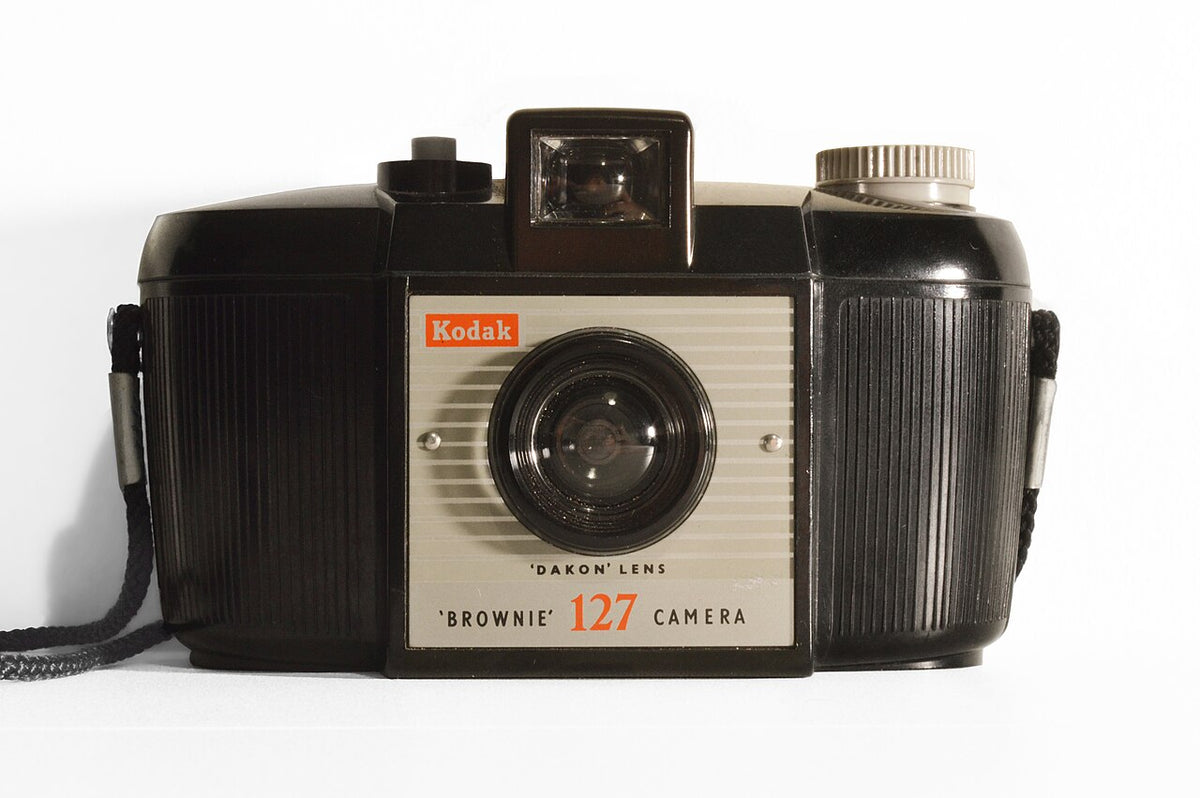
Kodak invented consumer photography ("You press the button, we do the rest"), still makes film, and built the first prototype of a digital camera. On the second-hand market, remember: for film, simple and charming cameras (Brownie, Instamatic, Retina) rather than SLRs; for digicams, an EasyShare, often with AA batteries and an SD card; and for film, Kodak Gold, Ultramax, ColorPlus, Portra, or Tri-X. Recent new "Kodak" cameras (such as the Ektar H35) are made under license by other companies.

Kodak's history by date
| Year | Milestone |
|---|---|
| 1888 | George Eastman launches the Kodak camera, preloaded with 100 exposures and sent back to the factory for development. |
| 1892 | Eastman Kodak Company is founded. |
| 1900 | Brownie, a camera sold for one dollar. |
| 1934-1935 | Retina (Kodak AG, Germany) and Kodachrome film. |
| 1963 / 1972 | Instamatic (126 cartridge), then Pocket Instamatic (110 film). |
| 1975 | Kodak engineer Steven Sasson builds a prototype digital camera. |
| 1982 | Kodak Disc. |
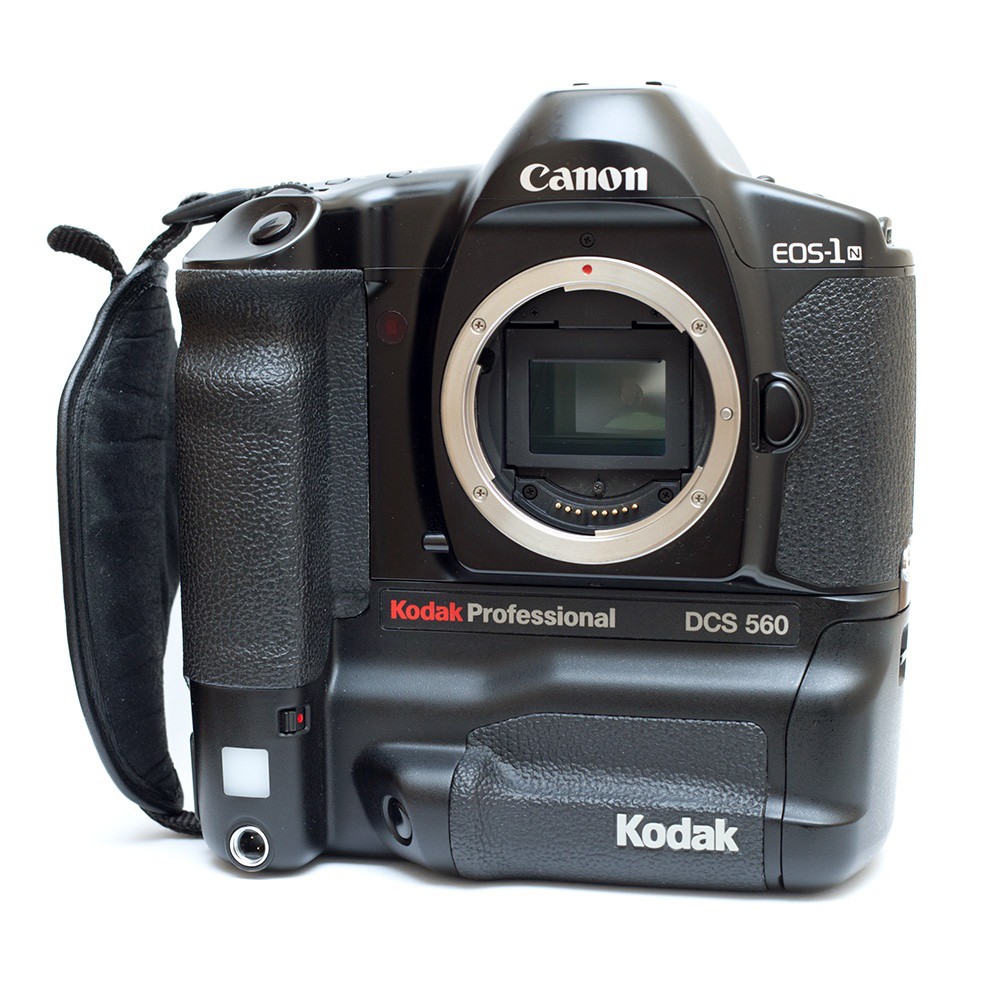
| 1991 | DCS 100, a professional digital SLR built on a Nikon F3 body. |
| 1996 | APS (Advantix) format, with other manufacturers. |
| 2001 | EasyShare range of digital compact cameras. |
| 2012-2013 | Bankruptcy proceedings (Chapter 11); consumer and professional film distribution moves to Kodak Alaris, while manufacturing remains with Eastman Kodak. |
Kodak film cameras
| Family | Film | Good to know |
|---|---|---|
| Brownie (many models) | 120, 127, 620 depending on the model | 127 and 620 have become rare: check the film before buying to photograph |
| Retina / Retinette | 35 mm | Quality German cameras, often folding |
| Instamatic | 126 | 126 film is no longer mass-produced: mostly a collector's camera |
| Pocket Instamatic | 110 | 110 film is still available from a few manufacturers |
| Kodak Disc | Disc | Film no longer produced: for collectors only |
| New disposable and reusable cameras | 35 mm | Simple, new, easy to develop |


For a new Kodak that can be reloaded, read our review of the Kodak Ektar H35, a licensed half-format camera.
Kodak film
| Film | Type | For whom? | Our article |
|---|---|---|---|
| Kodak Gold 200 | Consumer color negative, warm | Sunlight, budget | Gold 200 vs Portra 400 |
| Kodak Ultramax 400 | Versatile color negative | All-purpose, bright interiors | 200 or 400 ISO? |
| Kodak ColorPlus 200 | Affordable color negative | Discovery | — |
| Kodak Portra 160 / 400 / 800 | Professional color negative | Portraits, natural skin tones | Gold 200 vs Portra 400 |
| Kodak Ektar 100 | Saturated color negative, very fine grain | Landscapes, travel | — |
| Kodak Tri-X 400 / T-Max | Black and white | Photojournalism, street | Which black and white film? |
| Kodak Ektachrome E100 | Slide film | Projection, vivid colors | — |

Kodak and digital: DCS and EasyShare
Despite the 1975 prototype and the professional DCS SLRs of the 1990s, Kodak mainly reached the general public with the EasyShare (2001-2012): simple compact cameras, often with AA batteries (C series), slimmer with batteries (M, V series), bridges (Z), with a docking station for printing or transferring. Their warm colors and powerful flash appeal to digicam enthusiasts. Since the end of in-house production, "Kodak Pixpro" compact cameras are made under license by JK Imaging.

Which Kodak to choose?
| Your need | Our Kodak recommendation |
|---|---|
| Simple battery-powered digicam | EasyShare C series |
| Slim pocket digicam | EasyShare M or V series |
| Still-working collector's film camera | Brownie in 120 format, Retina 35 mm |
| Easy new film | Ektar H35 or a Kodak disposable |
| Film for beginners | Gold 200 in the sun, Ultramax 400 for everything |
Points to consider
- Discontinued film formats: 127, 620, 126, and Disc are rare or unavailable. Check the film before buying an old Kodak to photograph.
- EasyShare with AA batteries: oxidized contacts if batteries have leaked; prefer NiMH rechargeable batteries or AA lithium batteries.
- Battery-powered EasyShare: various KLIC references (KLIC-7001, KLIC-7004, KLIC-7006…); check before buying.
- Docking station: not essential; an SD card reader is enough to transfer.
More info: batteries for old digital cameras, transferring your photos.
At Vibes Photo, each camera is checked before being put on sale and covered by a six-month commercial warranty, in addition to the legal warranties of conformity and hidden defects. Details are in our general terms and conditions of sale.
Find all brands in our camera brand guide, and our in-depth guides: the complete guide to film photography and the complete guide to digicams.
All our Kodak articles
Detailed reviews, comparisons, and model-by-model guides:
- Kodak ColorPlus 200: review of the most affordable color film
- Second-hand Kodak EasyShare: guide to Kodak digicams (C330, CX7330, V570…)
- Kodak Ektar 100: review of the color film with the finest grain
- Kodak Ektar H35: review and alternatives
- Kodak Gold 200 vs Portra 400: which film to choose?
- Kodak Portra 400: review, rendering, and exposure tips
- Kodak Tri-X 400: review, rendering, development, and pushing
- Kodak Ultramax 400: review, rendering, and exposure tips
Frequently asked questions
Does Kodak still make cameras?
New cameras sold under the Kodak brand are now made under license by other companies. Eastman Kodak still makes film.
Which Kodak film should I choose to get started?
Kodak Gold 200 in bright sunlight, or Ultramax 400 if you also photograph indoors or in overcast weather.
Can you still use a Kodak Instamatic?
126 film is no longer mass-produced. There are DIY solutions, but the Instamatic remains mostly a collector's item.
Are Kodak EasyShares good digicams?
Yes for simple use: they are easy, often with AA batteries and an SD card, with a warm rendering. Their electronics and screens should be checked.
Who invented the digital camera?
Steven Sasson, a Kodak engineer, built a prototype in 1975 that recorded 0.01-megapixel images on cassette.
Sources: Kodak – Wikipedia; Kodak EasyShare – Wikipedia; Kodak Alaris – Wikipedia.