










Which black-and-white film should I choose?
Ilford HP5 Plus, Kodak Tri-X, FP4 Plus, Kentmere, Fomapan, XP2: the black-and-white films you need to know and which one to choose for your photos.
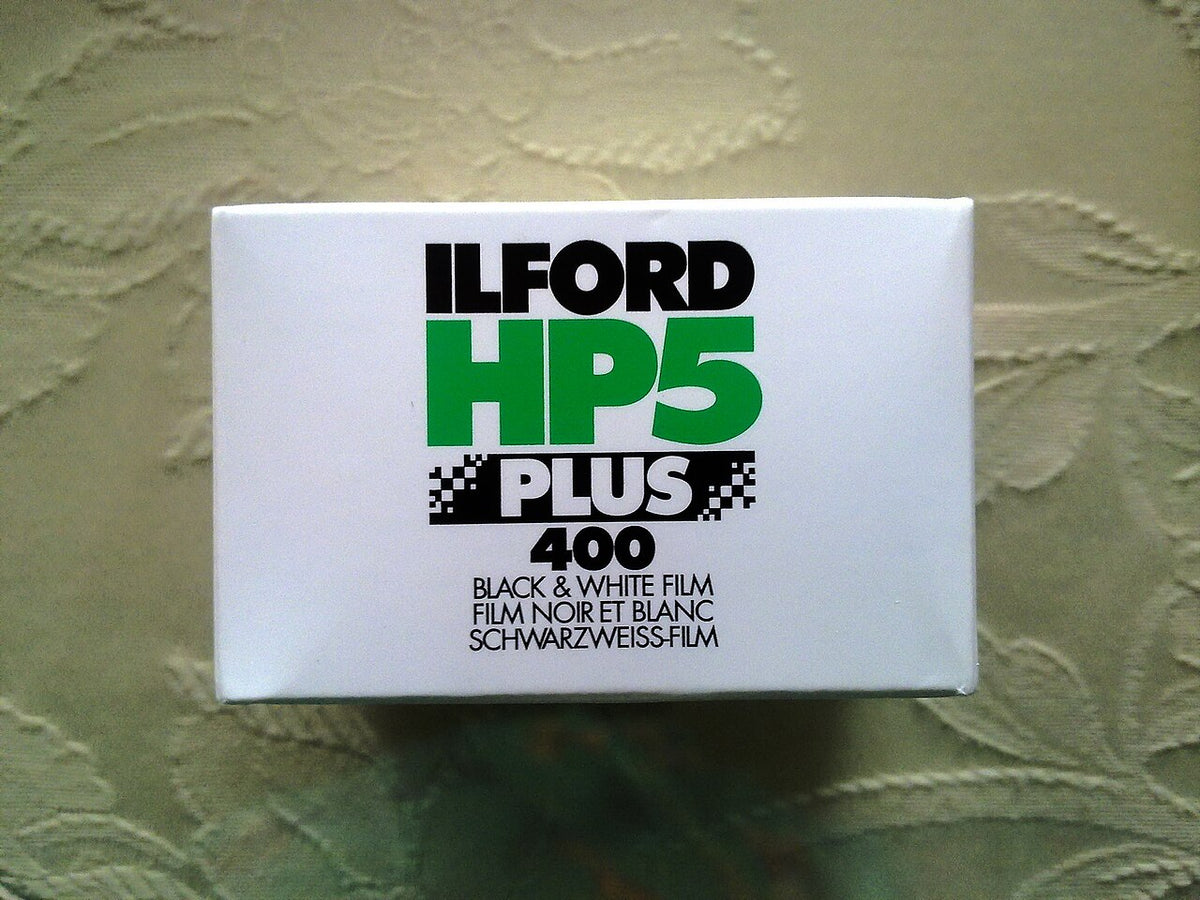
Black and white is often the best entry point into film photography: it forgives mistakes, is easy to develop at home, and gives your photos an immediate character. You just need to choose the right film. Here are the references to know, from fine grain to pronounced grain, and which one to choose according to your way of photographing.
The verdict in 30 seconds
For beginners
- Ilford HP5 Plus: the most forgiving, ideal in any camera;
- Kentmere Pan 400: the same logic, for less;
- Ilford XP2 Super: developed in any color lab.
To go further
- Kodak Tri-X 400: the iconic contrast and grain;
- Ilford FP4 Plus: fine grain for beautiful light;
- Ilford Delta 3200: for photographing at night.
The films to know
| Film | ISO | Character | Ideal for |
|---|---|---|---|
| Ilford HP5 Plus | 400 | Pronounced grain, very high tolerance | Do everything, start, push |
| Kodak Tri-X 400 | 400 | Pronounced contrast, characteristic grain | Street, reportage |
| Kentmere Pan 400 | 400 | Simple rendering, low price | Practice without breaking the bank |
| Fomapan 400 | 400 | Retro rendering, pronounced grain | Vintage atmospheres |
| Ilford FP4 Plus | 125 | Fine grain, beautiful nuances | Portrait, landscape, full daylight |
| Fomapan 100 | 100 | Fine grain, very economical | Full sun |
| Kodak T-Max 400 | 400 | Very fine grain for a 400 | Sharpness, enlargements |
| Ilford Delta 3200 | 3200 (nominal) | Very pronounced grain | Night, concerts |
| Ilford XP2 Super | 400 | Fine grain, C41 color development | Get developed anywhere |
Grain: fine or pronounced?
As a general rule, the more sensitive a film is, the more visible its grain is. 100 and 125 ISO give soft and detailed images, ideal in full daylight. 400 ISO brings a more pronounced grain, often sought for its character. Very high sensitivity films allow you to photograph in low light, at the cost of a very pronounced grain.
Classic or chromogenic?
Most black and white films are developed with a specific chemistry, which not all labs offer but which you can easily use at home. Ilford XP2 Super is an exception: it is a chromogenic film, which is developed in the same process as color, C41. Any lab can therefore process it.
Tip: Ilford HP5 Plus handles pushed development very well. You can expose it at 800 or 1600 ISO to photograph in low light, provided you indicate it to the lab.
A word on price
Black and white films generally remain more affordable than professional color: during our survey on 30/10/2026, an Ilford HP5 Plus 36 exposures was listed at €12.90 (see the cheapest films). Kentmere and Fomapan are even cheaper, perfect for practicing.
Black and white removes color. It only keeps the light.
In what camera?
All these films work in any 35 mm camera. In an automatic compact, favor a 400 ISO: the camera reads the sensitivity by itself thanks to the DX code. To choose between the sensitivities, also read Film 200 or 400 ISO: which one to choose? And to see the renderings in real life, our guide Choosing your film compares the main references.
A camera for your first black and white film →
Also read: Which film camera to choose to start?.
Frequently asked questions
Can you develop black and white yourself?
Yes, it is even the easiest to do at home: a developing tank, a developer, a stop bath and a fixer are enough to start.
Does black and white forgive mistakes?
Yes, especially 400 ISO like the HP5 Plus, which handles exposure mistakes well. It is one of the reasons why it is recommended for beginners.
Which black and white film for a compact?
The Ilford HP5 Plus for its tolerance, or the Ilford XP2 Super if you want to have it developed in any lab.
Cover photo: Mnemorino, via Wikimedia Commons, license CC BY-SA 3.0.