










Photography at the beach and in summer: protecting your camera and exposing it properly
Sand, salt and heat are a vintage camera's worst enemies. Our tips for protecting it at the beach, keeping film and instant film cool, and properly exposing in bright sunlight.
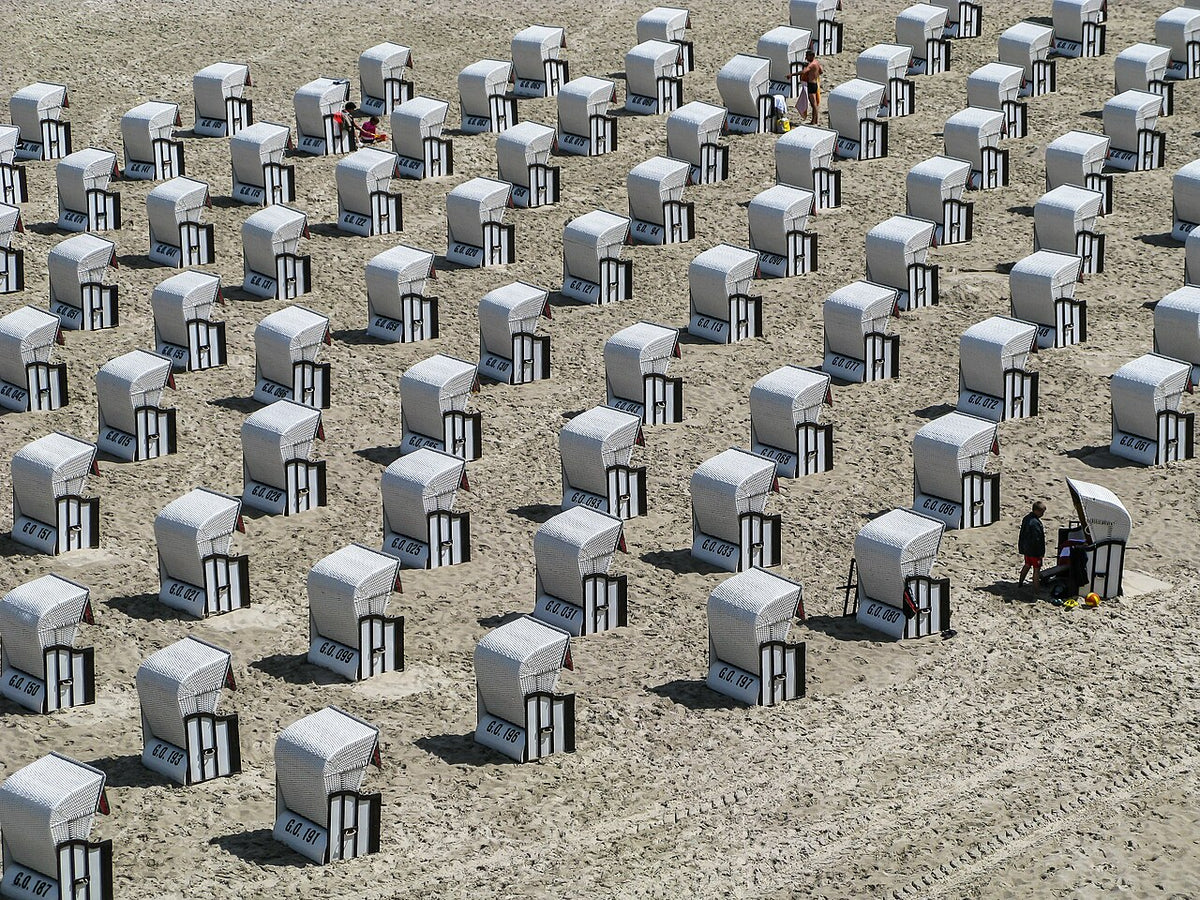
At the beach, keep your camera in a closed bag between photos, never place it on the sand, and do not change the lens or film in the wind. Sand can be removed by blowing, never by rubbing. Keep film and instant film in the shade and cool, never in a car in the sun. For exposure, light sand and water fool the sensor: in film photography, a 100 or 200 ISO film is more suitable than a 400.
The verdict in 30 seconds
The beach kit
- closed bag or waterproof pouch;
- blower bulb and microfiber cloth;
- 100 or 200 ISO film;
- lens hood, or even a protective filter.
The worst enemies
- sand in the zoom or compartment;
- salty sea spray;
- heat from the car or direct sunlight;
- sunscreen on your fingers.

Protecting your camera from sand and salt
- Sand gets everywhere: zoom rings, buttons, flaps. On a digicam, a grain in the zoom mechanism can jam the lens. Keep the camera in a bag or closed case, and open flaps and compartments away from the elements.
- Sea spray leaves behind corrosive salt. After a day by the sea, wipe the outside of the camera with a cloth barely damp with fresh water, then dry it.
- Sunscreen leaves greasy marks on the lens and damages certain coatings. Wipe your hands before picking up the camera.
- Cleaning: blow first, brush next, and only at the end wipe the lens. Our complete method: cleaning a lens without scratching it.
A suitable bag does half the work: see our guide camera bag or case.
Heat, the enemy of film and instant film
A car in the sun can easily exceed 50°C: the film loses its colors and contrast, and the batteries are damaged. Keep your film in an insulated bag or in the shade, and get your film developed promptly after your vacation.
Instant film is even more sensitive: Polaroid recommends avoiding heat, which produces yellowish or overly warm photos (Polaroid tips for hot weather). Fujifilm indicates an operating range of up to 40°C for Instax. Protect the photo from direct sunlight while it develops, for example in a bag or pocket. To preserve your prints afterwards: preserving instant photos.
On a plane, also think about security checks: see our article film and X-rays at the airport.
Exposing correctly in full sun
- Light sand and water reflect a lot of light: like snow, the sensor tends to underexpose. A correction of +0.7 to +1 EV often helps on a digicam.
- In film photography, the Sunny 16 rule recommends f/22 on very light sand. A 100 or 200 ISO film avoids reaching the maximum speed of compact cameras (often 1/250 to 1/500 s). See 200 or 400 ISO film.
- Portraits in full sun create harsh shadows on faces: use fill-in flash or place the person with their back to the sun. Our tips for flash photography explain fill-in flash.
- A polarizing filter darkens the sky and reduces reflections on the water. See our filter guide.
- The best times remain morning and late afternoon: softer and warmer light.
And for photographing in the water?
A classic vintage camera cannot withstand splashes or immersion. For swimming, use a waterproof disposable (Fujifilm and Kodak offer them) or a used waterproof digicam from the large family of "all-terrain" compacts (for example, certain Olympus, Pentax Optio W, or Canon PowerShot D series). Check the condition of the seals and the depth indicated by the manufacturer before diving: an aged seal no longer guarantees water resistance.
To choose the right camera for your vacation, read our guide vintage camera for travel and our landscape photography tips.