










Camera bag, case, or pouch: how to carry a vintage camera
Original case, padded cover, camera bag, modular insert or camera backpack: the types of bags for carrying a vintage camera, and the criteria for protecting it properly.
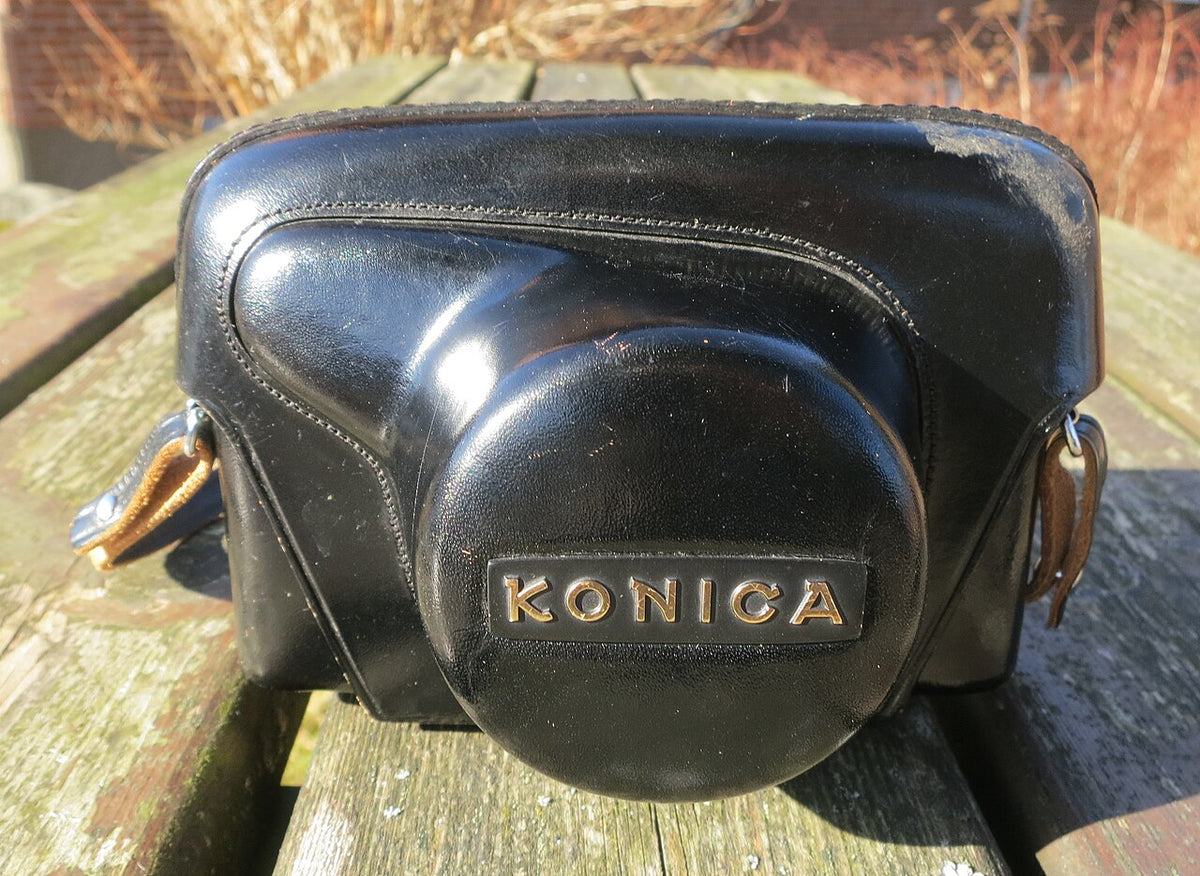
For a digicam or film compact, a small padded case that fits in your usual bag is enough. For a film SLR with one or two lenses, get a shoulder bag or a padded insert to slip into a regular bag: it's discreet and more practical than a large camera bag. The original leather case ("always ready") is nice and protects against scratches, but it offers little shock absorption and retains moisture if stored improperly.
The verdict in 30 seconds
The right bag
- padding on all sides;
- snug fit: the camera should not move inside;
- quick access to the camera;
- a pocket for film, batteries, or cards.
The pitfalls
- bag too large where everything knocks together;
- moldy old leather case;
- camera bag too visible when traveling;
- camera stored wet in a closed bag.

Types of bags and cases
| Type | For which camera | Advantages | Limitations |
|---|---|---|---|
| Original "always ready" case | Film cameras from the 1950s to 1980s | Stylish, protects against scratches, you can take photos without removing it (front flap) | Little shock absorption, old leather sometimes moldy or cracked |
| Padded case (neoprene, foam) | Digicam, film compact, small camcorder | Lightweight, fits everywhere, inexpensive | No room for accessories |
| Shoulder bag | SLR + 1 or 2 lenses, camcorder | Quick access, adjustable dividers | Puts weight on one shoulder |
| Padded insert | Any camera, in your own bag | Discreet, turns any bag into a camera bag | Less quick access |
| Camera backpack | Complete kit, hiking | Holds a lot, weight well distributed | You have to take it off to get the camera out |
| Waist bag / belt bag | Digicam, compact | Immediate access, hands-free | Small capacity |

Criteria for choosing
- Size: measure your camera with the lens attached. The camera should be held securely, without moving, with a little margin.
- Padding: bottom and sides. The bottom takes the impact when you put the bag down.
- Dividers: adjustable (Velcro) to separate body, lenses, and flash. Metal against glass is a guaranteed scratch.
- Weather: water-repellent fabric or a built-in rain cover helps a lot. For the beach, a closure that keeps sand out.
- Discretion: a bag that doesn't look like a camera bag attracts less attention when traveling. See our guide vintage camera for traveling.
- Pockets: film, spare batteries, memory cards, microfiber cloth.
An old leather case: good or bad idea?
Many vintage cameras are sold with their original case. Before using it, check the inside: a moldy smell, white stains, or a crumbling lining are signs of mold. A contaminated case can transfer spores to the camera and lens. Our article on fungus in lenses explains the risks. A healthy case is nourished with a leather balm, applied to the outside only.
Storing your camera properly
- A camera bag is for transport, not long-term storage: at home, take the camera out and store it in a dry and ventilated place.
- Add a silica gel packet to the bag, and change it regularly.
- Remove the batteries from a camera stored for several weeks (see leaking battery).
- After rain, let the bag dry open and the camera air dry.
To complete, choose a good wrist strap or shoulder strap, and a suitable tripod if you do long exposure.