










Which used hybrid camera is best for getting started in photography?
A used hybrid is an excellent entry point into photography. The families to prioritize, their strengths, the lenses to plan for, and the checks to make before buying.
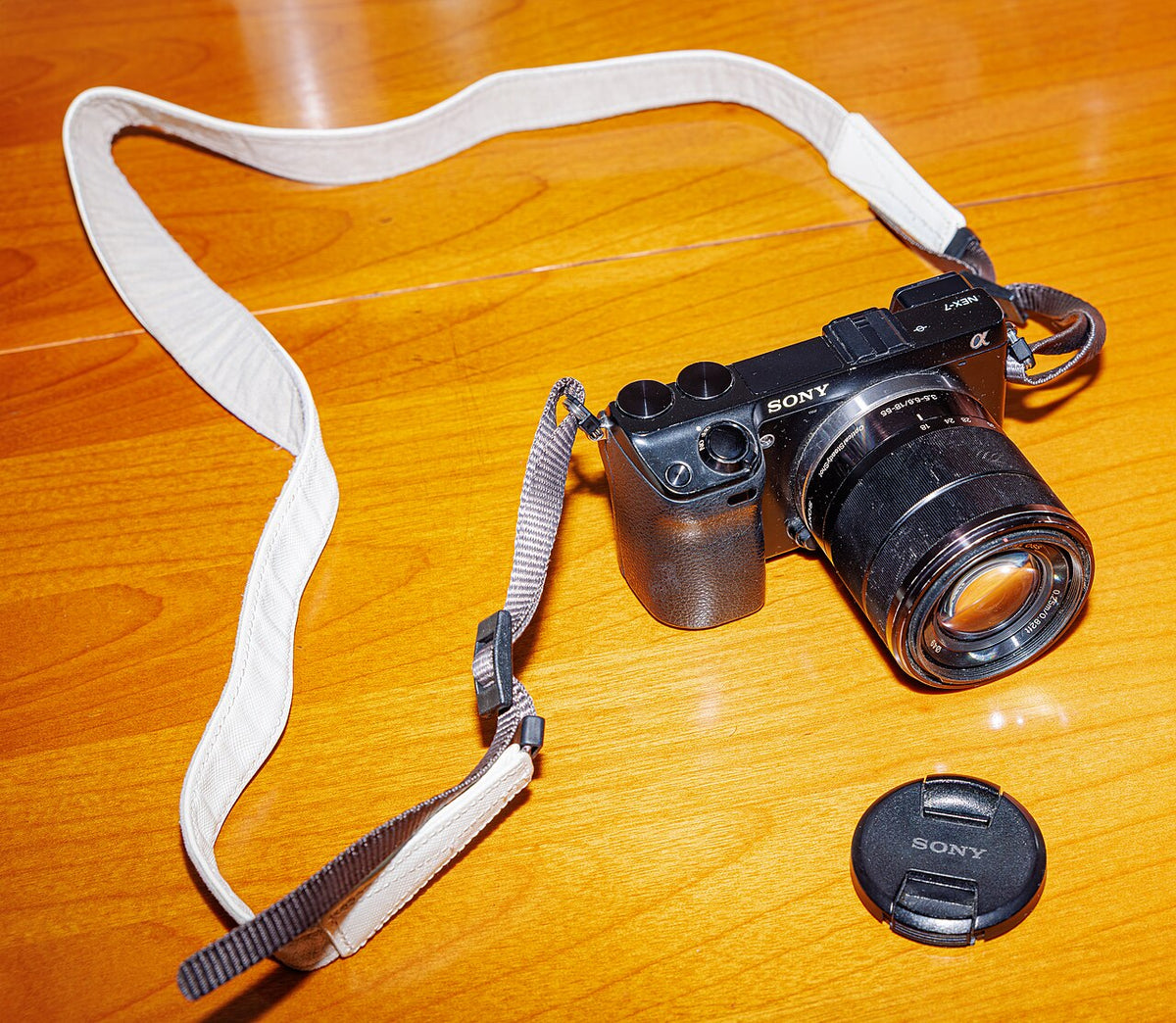
More compact than a DSLR, more creative than a smartphone: the hybrid camera (mirrorless, with interchangeable lenses) is often the best choice for getting started in photography. Second-hand, models from 2014 to 2018 offer remarkable value for money. Here is how to find your way around.
Why a hybrid to get started?
- What you see is what you get: the screen and electronic viewfinder show the exposure and white balance in real time, which helps to understand the settings;
- Compactness: a hybrid and a small lens fit into a backpack;
- Video: most recent hybrids shoot very well;
- Vintage lenses: with an adapter, you can mount vintage manual lenses (see our guide).
The families to favor
| Model | Mount | Main asset |
|---|---|---|
| Sony Alpha 6000 (2014) | Sony E (APS-C) | 24 Mpx, fast autofocus, electronic viewfinder |
| Olympus OM-D E-M10 (2014) | Micro 4/3 | In-body stabilization, very compact |
| Panasonic Lumix GX80 (2016) | Micro 4/3 | Dual stabilization, 4K |
| Fujifilm X-T10 (2015) | Fujifilm X (APS-C) | Dials, Fujifilm color rendering |
Sources: manufacturer data sheets Sony, Olympus, Panasonic, Fujifilm; DPReview.

APS-C or Micro 4/3?
The APS-C sensor (Sony, Fujifilm, Canon EOS M) is larger: a little more background blur and margin in low light. The Micro 4/3 (Olympus, Panasonic) allows for smaller bodies and lenses, with a very large choice of second-hand lenses compatible between the two brands. To get started, both are excellent: choose according to the size and lens budget.

Lenses to consider
Start with the kit lens, then add a fast prime lens (a 50 mm equivalent opening at around f/1.8): it is the purchase that changes your photos the most. To understand the mounts: our guide to lenses and mounts.
To check on a second-hand hybrid
- The sensor: without a mirror, it is directly exposed when you change lenses. Look for dust with a photo of a plain sky at f/16 (how to clean a sensor);
- The electronic viewfinder and screen: no dead pixels;
- The battery: hybrids consume more than a DSLR, plan for a spare battery;
- The mount and buttons: no play, everything works.
To go further by brand: Sony Alpha and NEX, Olympus PEN and OM-D, Panasonic Lumix G and Fujifilm X-T. Still hesitating? Read DSLR or second-hand hybrid.
At Vibes Photo, each camera is checked before being put on sale and covered by a six-month commercial warranty, in addition to the legal guarantees of conformity and hidden defects. The details are in our general terms and conditions of sale.
Frequently asked questions
What is the best second-hand hybrid to get started?
The Sony Alpha 6000, the Olympus OM-D E-M10, the Panasonic GX80 and the Fujifilm X-T10 are excellent choices, depending on the mount and the style you prefer.
Is a hybrid easier than a DSLR to get started?
Often yes: the electronic viewfinder shows the result before you take the shot, which helps to understand the exposure.
APS-C or Micro 4/3 to get started?
Both are suitable. APS-C offers a little more background blur, Micro 4/3 more compact bodies and lenses.
What lens to buy in addition to the kit?
A fast prime lens around 50 mm equivalent.
Main image: Sony NEX-7 hybrid camera with its lens. Photo: Dinkun Chen, CC BY-SA 4.0, via Wikimedia Commons