










Used DSLR or mirrorless camera: which one to choose?
Used DSLR or mirrorless camera? Viewfinder, battery life, weight, lenses, video: the practical differences and the right choice for how you use it.
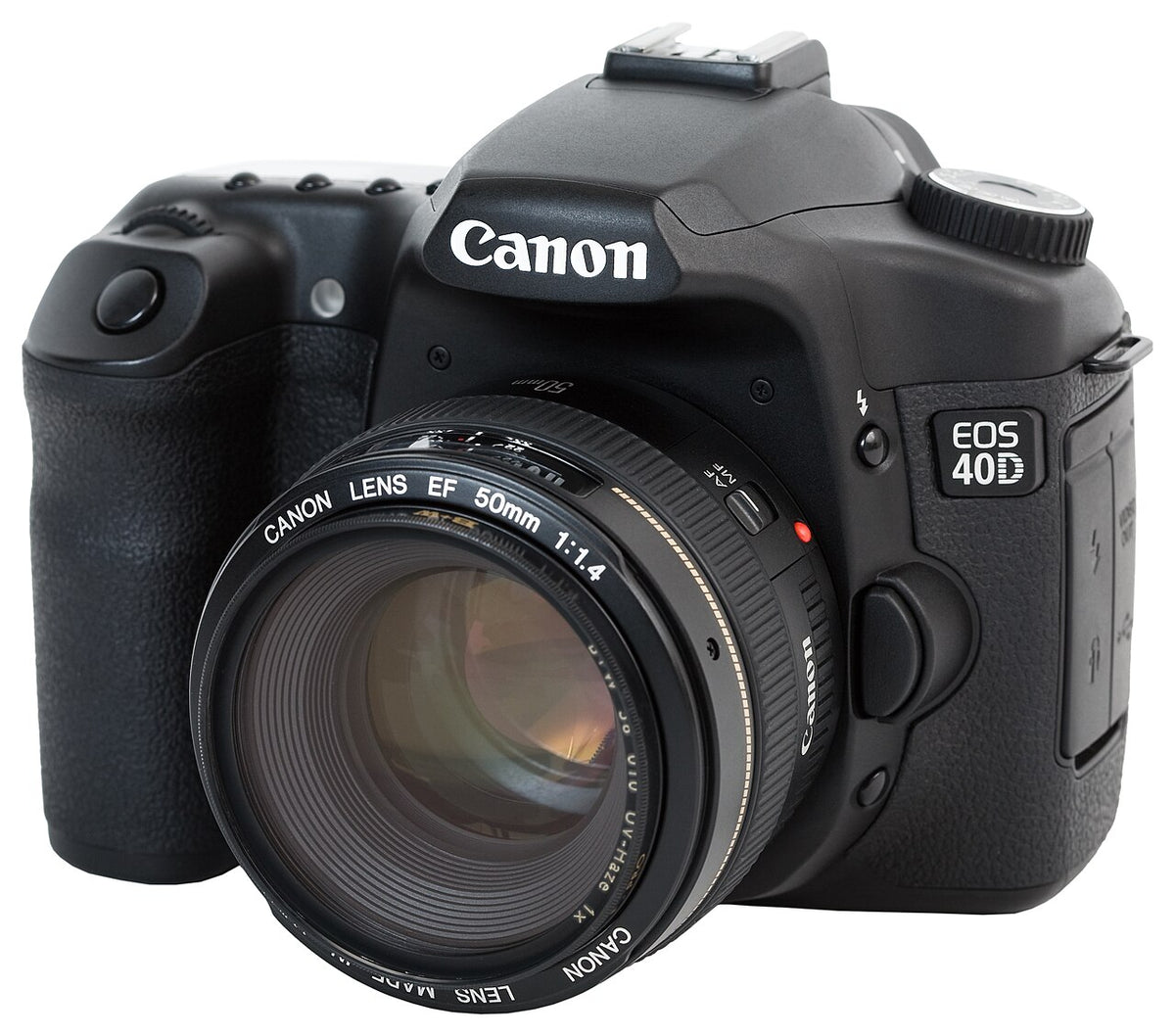
A DSLR reflects the image into an optical viewfinder using a mirror; a mirrorless camera removes this mirror and displays the image on an electronic viewfinder or screen. Second-hand, both have their advantages, and DSLRs have often become very affordable. Here are the differences that really matter.
The comparison
| Criterion | DSLR | Mirrorless |
|---|---|---|
| Viewfinder | Optical: real image, no delay | Electronic: exposure preview |
| Battery life | Generally better | Generally shorter |
| Weight and size | Heavier | More compact |
| Video | Live view required, autofocus often slow | Generally much better |
| Second-hand lenses | Very wide selection, often cheap | More recent selection; adaptable vintage lenses |
| Sensor | Protected by the mirror | Exposed when changing lenses |
The advantages of a DSLR
- the optical viewfinder, with no lag, which many prefer;
- often significantly better battery life;
- a huge and affordable selection of second-hand lenses (Canon EF, Nikon F);
- sturdy bodies that fit well in the hand.
To choose your DSLR: which second-hand DSLR is best for beginners.

The advantages of a mirrorless camera
- compactness and lightness;
- the electronic viewfinder shows the exposure before taking the shot;
- significantly better video;
- the easy adaptation of vintage lenses thanks to the short mechanical shutter.
To choose your mirrorless camera: which second-hand mirrorless camera is best for beginners.
And DSLR lenses on a mirrorless camera?
The brands have provided adapters: the Canon EF-EOS R adapter allows EF lenses to be used on Canon RF mirrorless cameras with autofocus, and the Nikon FTZ adapter mounts Nikon F lenses on Nikon Z mirrorless cameras (autofocus works with AF-S and AF-P lenses, but not with older AF-D lenses with in-body motors). Starting with a DSLR and its lenses is therefore not a dead end. See our guide to lenses and mounts.
Our verdict
Choose a DSLR if
- you want the best value for money second-hand;
- you like optical viewfinders;
- you mainly take photos and want long battery life.
Choose a mirrorless camera if
- compactness matters;
- you also shoot video;
- you want to adapt vintage lenses.
Checks before buying a second-hand camera body
- The shutter count: for Nikon, it is generally found in the EXIF data of the photos; for Canon, you often need third-party software. A high number is not necessarily a dealbreaker, but it does affect the price.
- The sensor: take a photo of a clear sky at f/16 to check for dust and ensure there are no dead pixels.
- The viewfinder and screen: clean, without mold or deep scratches.
- The dials, buttons and flaps: all functional, with the card flap closing properly.
- The mount: no play, clean contacts.
- The battery and charger: original or high-quality compatible ones.
At Vibes Photo, every camera is checked before being put on sale and is covered by a six-month commercial warranty, in addition to the legal warranties of conformity and against hidden defects. Details can be found in our general terms and conditions of sale.
Frequently asked questions
DSLR or mirrorless for beginners?
Both are suitable. A second-hand DSLR is often cheaper; a mirrorless camera is more compact and helps you understand exposure thanks to the electronic viewfinder.
Can DSLR lenses be used on a mirrorless camera?
Yes, with an adapter, such as the Canon EF-EOS R or Nikon FTZ.
Are DSLRs obsolete?
No, they remain very capable for photography and have become affordable second-hand.
What is the main drawback of a mirrorless camera?
Shorter battery life and a sensor that is more exposed to dust.
Main image: Canon EOS 40D DSLR with its lens. Photo: Charles Lanteigne, CC BY-SA 3.0, via Wikimedia Commons