










Used Olympus PEN and OM-D: E-P1, E-PL1, E-M5, E-M10, E-M1
Olympus PEN and OM-D hybrid cameras share the Micro 4/3 mount and in-body image stabilization. E-P1, E-PL1, E-M5, E-M10, and E-M1 compared.
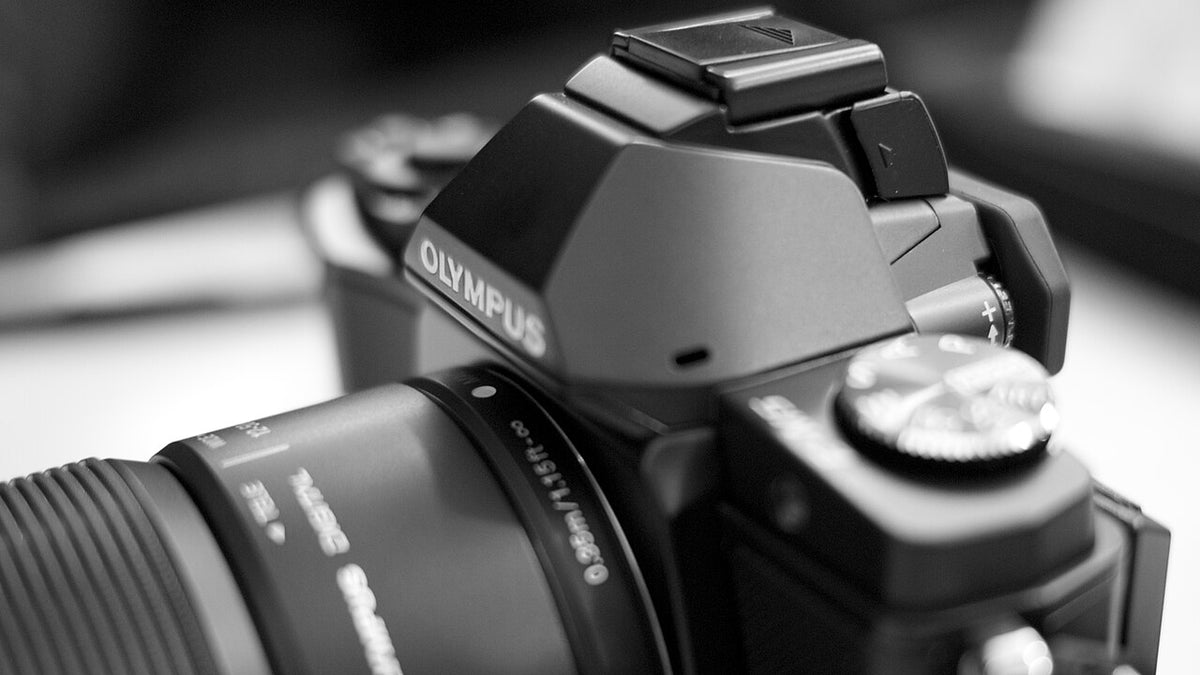
The Olympus PEN (rangefinder style, from the E-P1 in 2009) and OM-D (DSLR style with viewfinder, from the E-M5 in 2012) hybrids all use the Micro Four Thirds mount and in-body image stabilization that works with any lens. For a lightweight and stylish body, a PEN is enough; for a viewfinder and more complete ergonomics, the E-M10 is the most affordable and the E-M5 or E-M1 the most advanced (5-axis stabilization, weather-sealed body).
The comparison table
| Model | Year | Sensor | Stabilization | Battery |
|---|---|---|---|---|
| PEN E-P1 | 2009 | 12.3 Mpx | Body (up to 4 IL) | BLS-1 |
| PEN E-PL1 | 2010 | 12 Mpx | Body | BLS-1 |
| OM-D E-M5 | 2012 | 16.05 Mpx | 5 axes | BLN-1 |
| OM-D E-M1 | 2013 | 16.3 Mpx | 5 axes | BLN-1 |
| OM-D E-M10 | 2014 | 16.05 Mpx | 3 axes | BLS-5 |
Sources: Olympus press releases (E-P1, E-M5), DPReview (E-PL1), OM Digital Solutions support (E-M10, E-M1, battery compatibility table).
PEN: the rangefinder style
The E-P1 takes the name and style of the Olympus PEN half-format cameras from the 1960s. No built-in viewfinder, but a compact metal body and very popular Olympus JPEG colors. The E-PL1 is lighter and simpler. If you know film PENs, see our Olympus guide.

OM-D: the viewfinder and 5-axis stabilization
The E-M5 recalls the OM film SLRs, with an electronic viewfinder and very effective 5-axis stabilization, including with adapted vintage lenses. The E-M1 adds a grip and more advanced autofocus. The E-M10, lighter and cheaper, makes do with 3-axis stabilization.

The lenses
The Micro 4/3 mount is shared with Panasonic Lumix G: the choice of lenses is immense. The 17 mm, 25 mm and 45 mm prime lenses are compact classics. With the factor 2, a 25 mm frames like a 50 mm in full frame. See our lens and mount guide.
Warning: batteries differ from one model to another (BLS-1, BLS-5, BLN-1). Check the reference before buying a spare.
Checks before buying a used body
- The shutter count: at Nikon, it is generally in the EXIF data of the photos; at Canon, you often need third-party software. A high number is not a dealbreaker, but it guides the price.
- The sensor: photograph a plain sky at f/16 to spot dust, and check for dead pixels.
- The viewfinder and screen: clean, without mold or deep scratches.
- The dials, buttons and flaps: all functional, card flap well closed.
- The mount: without play, clean contacts.
- The battery and charger: original or quality compatible.
For Olympus compacts, see the mju digital.
At Vibes Photo, each camera is checked before being put on sale and covered by a six-month commercial warranty, in addition to the legal warranties of conformity and hidden defects. The detail is in our general terms and conditions of sale.
Frequently asked questions
What is the difference between Olympus PEN and OM-D?
PENs have a rangefinder style, often without a built-in viewfinder; OM-Ds have a DSLR style with an electronic viewfinder. All use the Micro 4/3 mount.
Are Panasonic lenses compatible with Olympus?
Yes, Olympus and Panasonic share the Micro Four Thirds mount.
Which Olympus OM-D to choose used?
The E-M10 is the lightest and most affordable; the E-M5 and E-M1 have 5-axis stabilization and a weather-sealed body.
Which battery for an Olympus E-M5?
The BLN-1, common with the E-M1.
Main image: Olympus OM-D E-M5 hybrid with its 12-50 mm zoom, black and white photo. Photo: Edwin Leong, CC BY-SA 2.0, via Wikimedia Commons