










Hiking photography: which camera to take and how to carry it
Tips for hiking photography: choose a lightweight camera, keep it within easy reach, manage batteries and weather conditions, and capture great hiking landscapes and portraits.
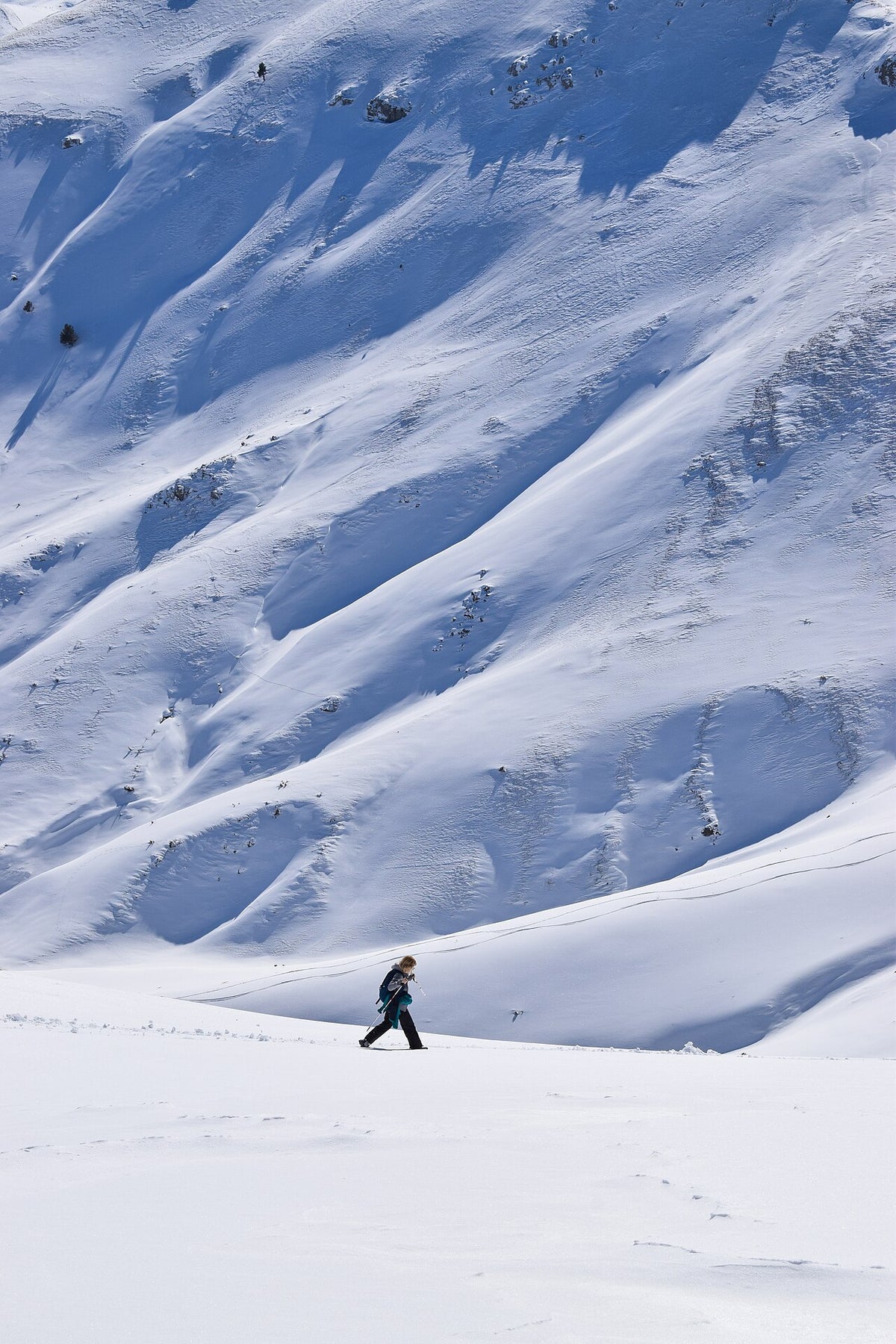
When hiking, the best camera is the one you have at hand: lightweight, worn on a backpack strap or around your waist rather than at the bottom of your bag. A compact (digital or film) or a hybrid with a single zoom lens is more than enough. Bring a spare battery, rain protection, and keep weight in mind: every gram counts after 15 km.
Which camera?
| Camera | Pros | Cons |
|---|---|---|
| Digital compact or digicam | Lightweight, pocket-sized | Small sensor in low light |
| Film compact | Lightweight, film rendering, long-lasting batteries | 36 exposures, heat-sensitive film |
| Hybrid + zoom | Quality, versatility | Weight and price |
| DSLR | Robust, long battery life | Heavy |
To choose a film compact: the best film compacts.
Carrying it
- Strap clip or belt case: the camera remains accessible without taking off your bag.
- Wrist strap for tricky sections: wrist strap and camera strap.
- Dry bag or cover in case of rain, and a silica gel packet in your pocket (storing your equipment away from moisture).

Batteries, cold and heat
Cold drains batteries: keep the spare in an inner pocket (photography in cold weather). In summer, heat damages film and instant film: avoid leaving the camera in the sun on your bag. At altitude and on snow, see photography for skiing and mountains.
Capturing great hiking photos
- A foreground element (rock, flower, path) adds depth to the landscape (landscape photography).
- A hiker in the frame provides scale.
- Morning and evening: low light, colorful skies.
- The path as a leading line.
- Details: boots, map, refuge, picnic.
For a longer car trip: road trip photography.
All cameras sold on Vibes Photo are checked before shipping and covered by a 6-month warranty (details in our general terms and conditions of sale).