










Cold-weather photography: batteries, condensation, film and snow
The cold drains batteries, freezes condensation, and weakens the film emulsion. The best tips for winter photography with a digicam, film camera, or instant camera.
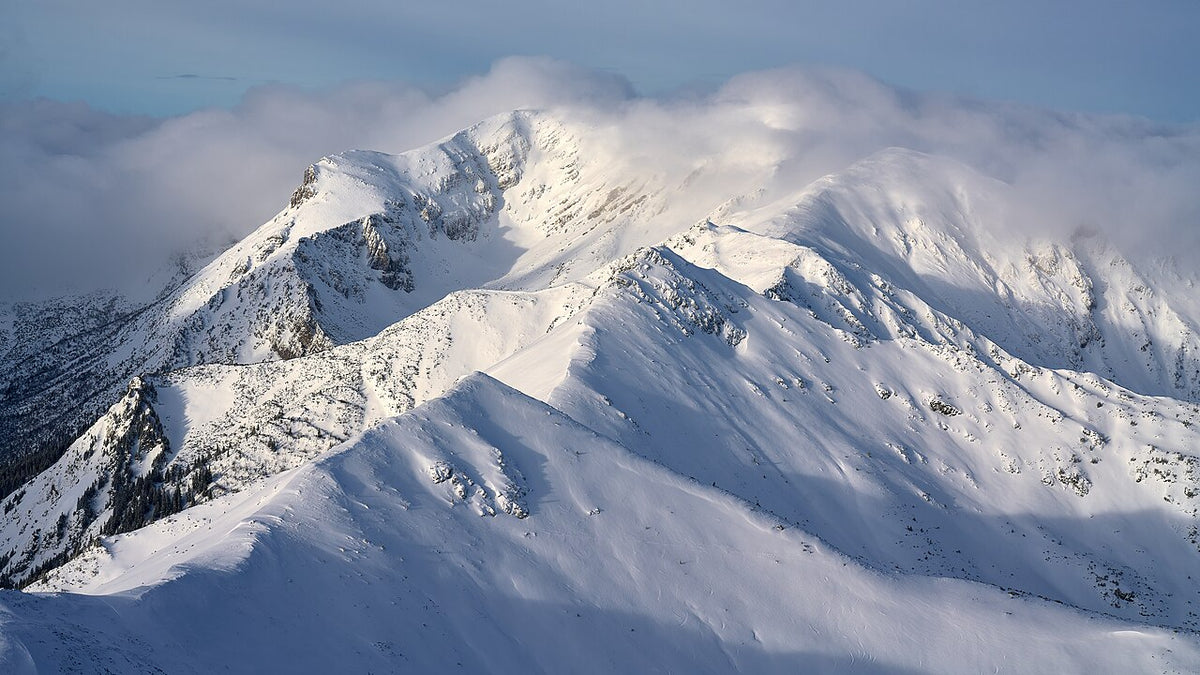
In cold weather, keep your batteries and spare batteries warm in an inner pocket (the cold drains them, while warmth restores some of their charge). When you come back inside, put the camera in a sealed bag before entering and let it warm up for an hour or two to prevent condensation. With film, rewind cold film slowly. And when shooting snow, add +1 to +2 stops of exposure compensation, otherwise it will come out grey.
The verdict in 30 seconds
To bring
- spare batteries or batteries, kept warm;
- a resealable plastic bag for coming inside;
- thin gloves for adjusting settings;
- microfiber cloth for snow and condensation.
To avoid
- blowing on the lens or viewfinder (frostbite);
- going from cold to warm without precautions;
- quickly rewinding frozen film;
- letting snow melt on the camera.

Batteries and batteries
Lithium-ion batteries and alkaline batteries lose a lot of capacity in the cold. A battery that shows as "empty" outside can regain some of its charge once warmed up. Good habits:
- carry one or two spare batteries in an inner pocket, against your body;
- keep the camera under your coat between photos;
- for AA battery cameras, lithium batteries handle the cold better than alkaline ones;
- turn off the screen or use the viewfinder when possible.
To find the right one, see our guides on batteries for vintage digital cameras and batteries for film cameras.
Condensation: the real danger
A cold camera entering a warm room will fog up both on the outside and inside (lens, sensor, circuits). This moisture can promote corrosion and, over time, fungus in the lens.
- Before going inside, put the camera in a resealable plastic bag (or in your well-sealed camera bag).
- Let it warm up slowly for one to two hours without opening it.
- The condensation will then form on the bag, not on the camera.
- Remove the memory card or film beforehand if you need it right away.
For long-term prevention, read our article on fungus in lenses.
Film cameras in the cold
- The film becomes more brittle: advance and rewind slowly. Fast motorized rewinding can also create electrostatic discharges, which leave small bright spots on the images.
- Older mechanisms: on some cameras that haven't been serviced, lubricants thickened by the cold slow down the shutter or slow shutter speeds. A serviced camera will cope better.
- The light meter depends on its battery: if the needle reacts poorly, warm up the battery.
- LCD screens (on 1990s film point-and-shoots or digicams) become slow at low temperatures: this is reversible.
Exposing snow correctly
A camera's light meter tries to make the scene "middle grey". Faced with a very white scene, it underexposes: the snow turns grey. Solutions:
- apply an exposure compensation of +1 to +2 stops on a digital camera;
- with film and no compensation, set the camera's ISO to half the film's sensitivity (+1 stop);
- in the sun on snow, the Sunny 16 rule gives a good guide: f/22 instead of f/16 at the same shutter speed as the ISO.
To understand metering modes, see shooting modes and exposure metering.
Instant photos in the cold
Instant film is very sensitive to temperature during development. Polaroid indicates optimal operation between 13 and 28°C: below this, photos come out lighter, with less contrast, and with a blue or green cast (Polaroid source). Fujifilm indicates a usage range of +5 to +40°C for Instax film (Instax source). The trick: keep the camera and film warm under your coat, and put the photo in an inner pocket while it develops. Our guide to failed Polaroid photos details the other causes.
Take care of yourself too
Thin gloves (or mittens that fold back) allow you to manipulate the small dials. Avoid blowing on the viewfinder or lens: your breath will freeze on them. And if snow falls on the camera, wipe it off before it melts. For winter sports, a compact and robust camera is often more practical than a DSLR. Our guide to vintage cameras for travel helps you choose.