










AA battery-powered digicams: practical models and the best batteries
A digicam that takes AA batteries means no more hunting for hard-to-find batteries. The models to know, battery life depending on the type of battery, and our tips.
The main headache with a used digicam is often the battery: an impossible-to-find model, a dead original battery, or no charger. Cameras that run on AA batteries (LR6) avoid this problem: they are available everywhere, and rechargeable batteries are inexpensive.
AA-Battery-Powered Digicams to Consider
| Series | Batteries | Examples |
|---|---|---|
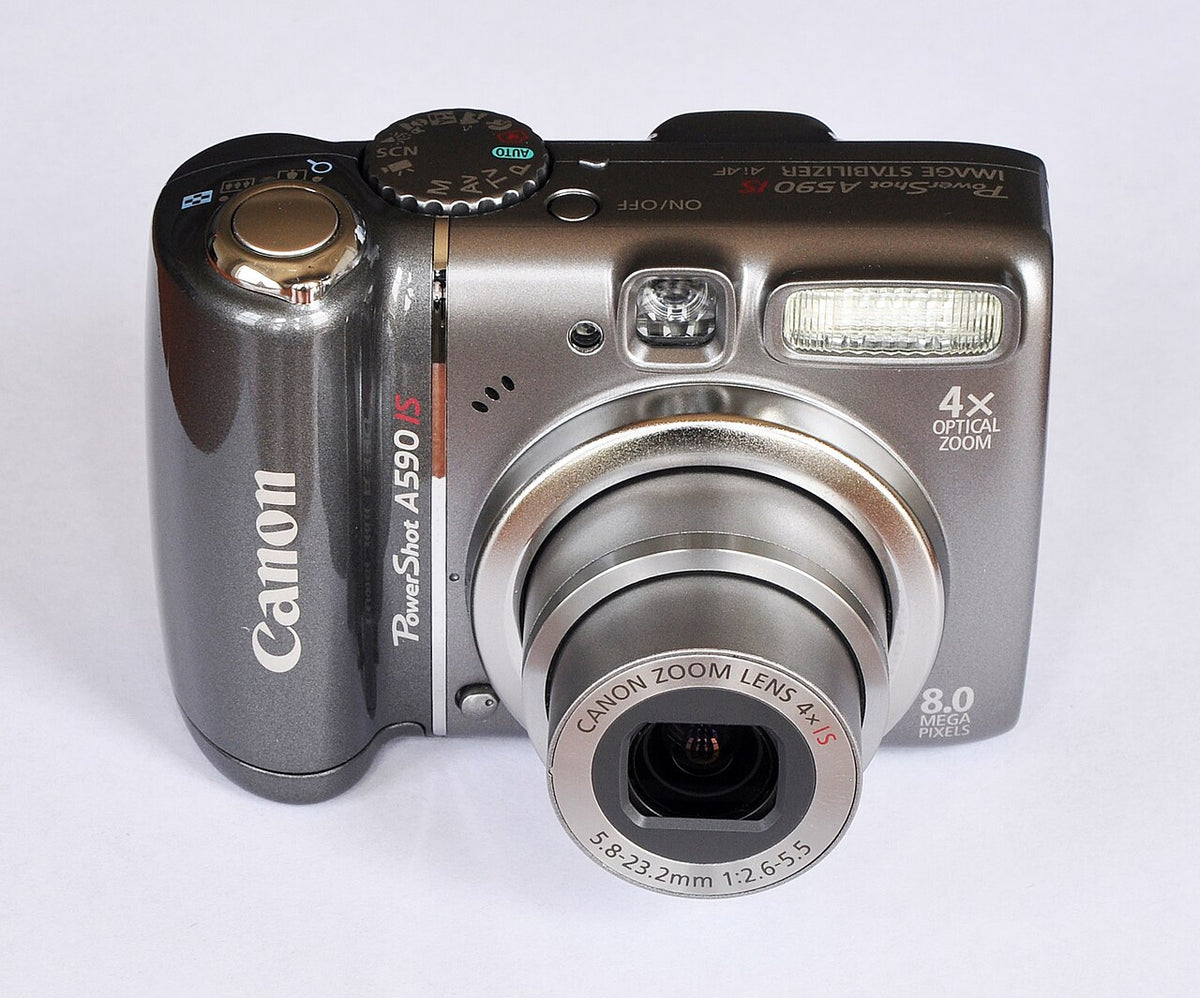
| Canon PowerShot A | 2 AA batteries (depending on the model) | A570 IS, A590 IS |
| Nikon Coolpix L | 2 AA batteries in compacts, more in some bridge cameras | Coolpix L, L340 |
| Kodak EasyShare C | 2 AA batteries | C Series |
| Fujifilm FinePix A | AA batteries | A Series |
| Olympus Camedia C (1999-2002) | 4 AA batteries | C-2020, C-3030, C-5050 |
| Minolta Dimage 7 | 4 AA batteries | Dimage 7, 7i, 7Hi |
Sources: Canon (A590 IS product page), Imaging Resource (A570 IS), Kodak, Nikon, Olympus.

Alkaline or rechargeable?
The difference is huge. For the PowerShot A570 IS, Imaging Resource states it takes about 120 photos on alkaline batteries compared to 400 on NiMH rechargeable batteries. Alkaline batteries struggle with the high current demands of the flash and screen.
- NiMH rechargeable batteries: the best choice, preferably low self-discharge (they retain their charge for months in a drawer);
- Alkaline batteries: for emergencies only;
- AA lithium batteries: lightweight and long-lasting, but check the manual to see if your camera accepts them;
- Ni-Cd batteries: avoid them; Canon recommends against using them in its PowerShot A cameras.

Pros and cons
Pros
- batteries are available everywhere, even while traveling;
- no specific battery to search for;
- inexpensive NiMH rechargeable batteries.
Cons
- cameras are slightly thicker and heavier;
- short battery life on alkaline batteries;
- risk of leakage if batteries are left inside.
Tip: always remove the batteries if you plan to store the camera for several weeks. Leaking batteries can corrode the contacts and prevent the camera from turning on (see our solutions).
For more information: FinePix A and J Series, Kodak EasyShare, IXUS or PowerShot, Olympus Camedia, and batteries and chargers for vintage digital cameras.
At Vibes Photo, every camera is inspected before being put up for sale and covered by a six-month commercial warranty, in addition to statutory warranties for conformity and latent defects. Full details can be found in our general terms and conditions of sale.
Frequently asked questions
Which digicams run on AA batteries?
Many Canon PowerShot A, Nikon Coolpix L, Kodak EasyShare C, and Fujifilm FinePix A cameras, as well as vintage Olympus Camedia C and Minolta Dimage 7 cameras.
Alkaline or rechargeable batteries for a digicam?
Rechargeable NiMH batteries: they allow you to take far more photos than alkaline batteries.
Can you use AA lithium batteries in a digicam?
Some cameras accept them, while others do not: check the manual.
Why does my digicam turn off with new batteries?
Alkaline batteries struggle with high current demands; try charged NiMH rechargeable batteries.
Main image: Canon PowerShot A590 IS digital camera running on two AA batteries. Photo: Joe Ravi, CC BY-SA 3.0, via Wikimedia Commons