










Sony NightShot Camcorder: How Does Night Vision Work?
Sony camcorder NightShot mode: infrared principle, versions, 1998 controversy, creative uses and points to test on a used model.
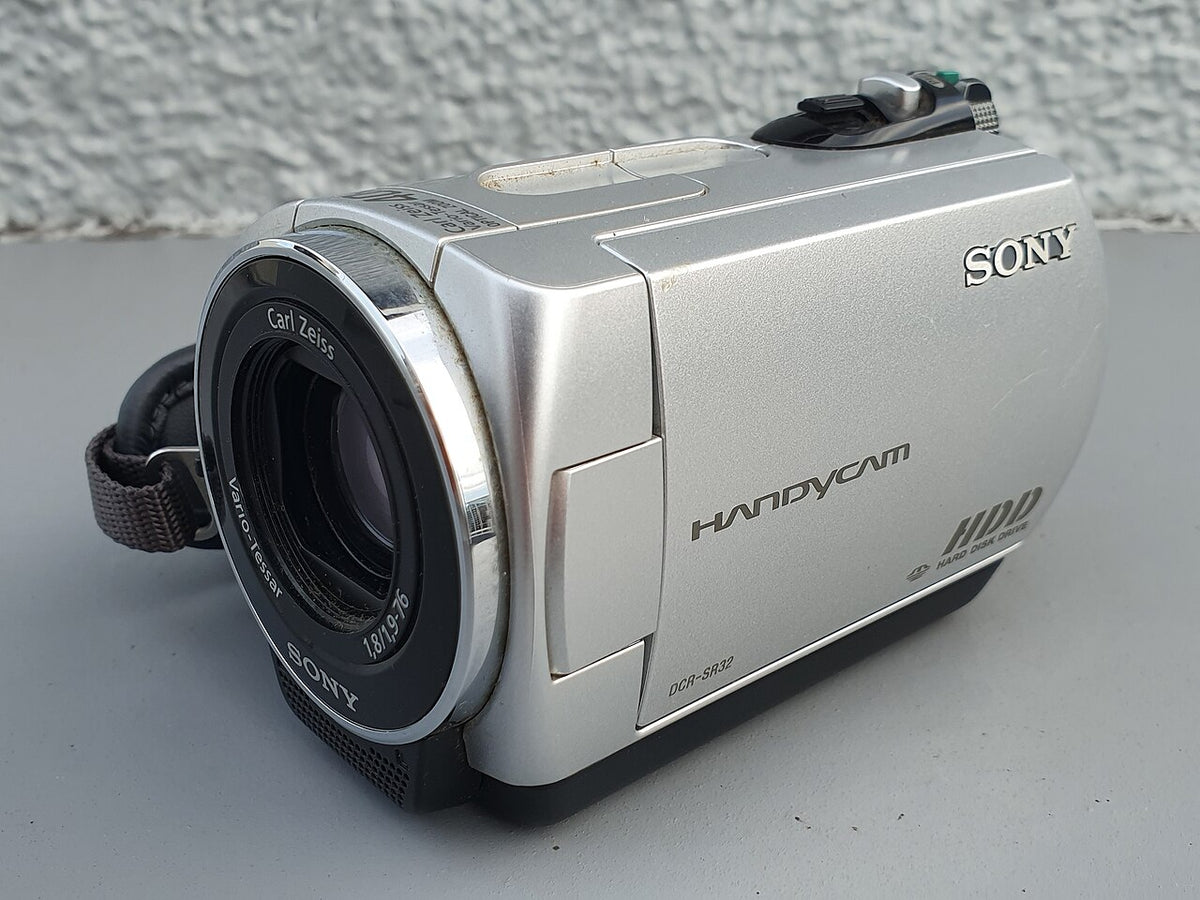
NightShot is the night vision mode on Sony Handycam camcorders, introduced in 1998. It removes the filter that blocks infrared light from reaching the sensor and turns on a small infrared LED at the front: the camcorder then records in almost complete darkness, with a highly recognizable greenish monochrome image. This is the "night vision" look that many people are looking for today on used Handycam camcorders.
How NightShot works
A video sensor (CCD or CMOS) is naturally sensitive to near-infrared light. Normally, an infrared filter placed in front of it prevents colors from being distorted. When you activate NightShot:
- the IR filter is mechanically removed (you can often hear a small click);
- the infrared LED or LEDs on the front illuminate the scene, invisibly to the human eye;
- the sensor records the reflected infrared light, resulting in a colorless, usually green-tinted image.
The range of the built-in lighting is short: a few meters. Beyond that, the image quickly becomes dark and noisy. Some videographers add an external infrared spotlight to shoot further away.

NightShot, NightShot Plus, Super NightShot: the versions
Sony offered the technology under several names throughout the generations of Handycam camcorders (Hi8, Digital8, MiniDV, DVD, hard disk): NightShot, NightShot Plus, Super NightShot, or Super NightShot Plus. Depending on the model, the "Super" variants added a slow shutter to brighten the image in the dark, at the cost of choppier motion. The specific model's specifications or manual indicate which version is included. Some early 2000s Cyber-shot cameras (such as the DSC-F707 and F717) also had a NightShot mode for photography.
The 1998 controversy
A few months after launch, a Japanese magazine showed that in broad daylight, with a filter blocking visible light, NightShot could reveal the outline of a person or their underwear beneath very thin clothing. Sony suspended shipments and modified the camcorders so that the mode could no longer be used in bright light; there was no recall of models already sold, as reported by Wired and Snopes. In fact, the actual effect was far more limited than rumors had suggested. On the modified models, NightShot in broad daylight produces a washed-out, overexposed white image.
What to shoot with NightShot today
- "Found footage" atmosphere: music videos, short films, and Halloween videos, with the typical green grain.
- Nocturnal animals in the garden, from a short distance, with the camcorder mounted on a tripod.
- Evenings and parties for a quirky look, to complement color footage. For a generally retro look, read how to shoot with a VHS look.
Always respect privacy: never film someone without their knowledge, whether at night or during the day.
Checking NightShot on a used camcorder
- In a dark room, activate NightShot: the image should switch to monochrome and remain clear at one or two meters.
- Deactivate the mode in bright light: the colors should return to normal. A washed-out or purplish image in normal mode may indicate an IR filter that has become stuck, a mechanical failure that should be checked.
- Also test tape playback and recording: see camcorder no longer reads tapes and Sony error codes.
To choose the right model, compare the ranges in which Sony Handycam to choose, Sony DCR-TRV, and Sony DCR-PC.
Frequently asked questions
Do all Handycam camcorders have NightShot?
No. Many consumer Handycam camcorders from 1998 onward have it, but not all. Check for a NightShot switch or button and the model's specifications.
Does NightShot see through clothing?
No, not in the way rumors suggested. In 1998, under very specific conditions and with a filter, an outline could appear beneath very thin fabric. Sony subsequently blocked the use of the mode in bright light.
Why is the NightShot image green?
The sensor records infrared light, which has no visible color. The camcorder displays this signal in monochrome, usually with a green tint.
All devices sold by Vibes Photo are inspected before shipping and covered by a 6-month warranty (details in our general terms and conditions of sale).