










Why the price of dandruff treatments is rising so much (and how to save)
The real reasons for the rising price of film, according to manufacturers, and our tips for shooting film without breaking the bank.
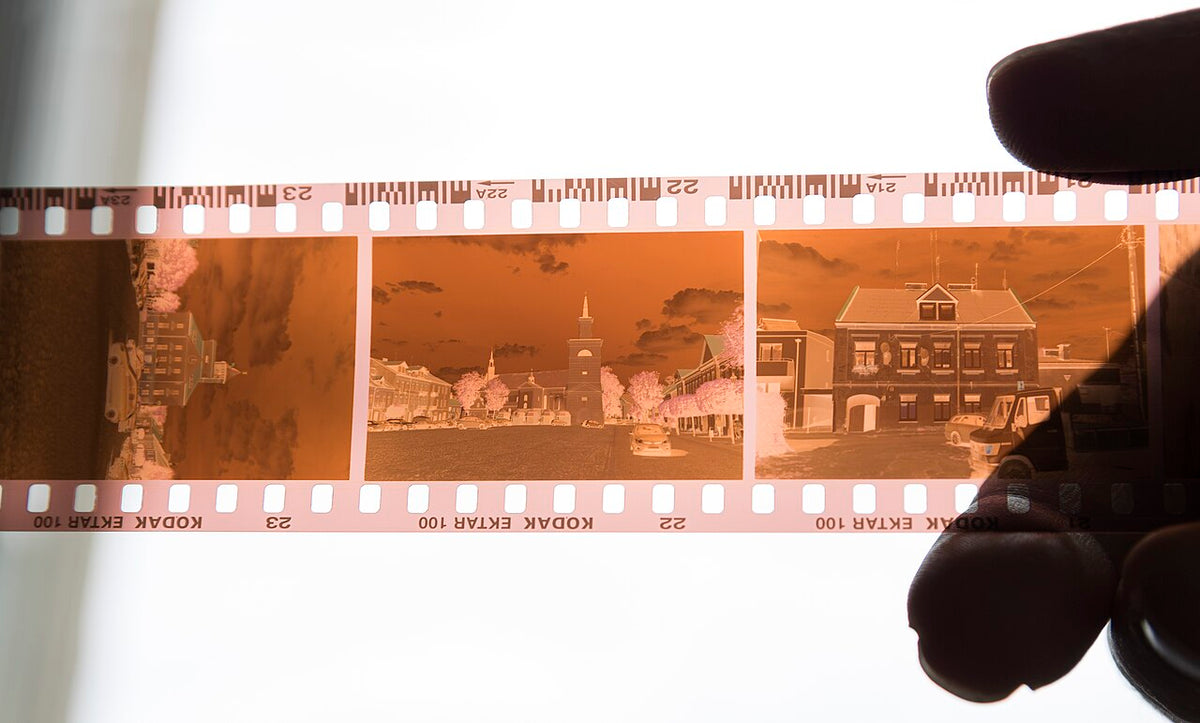
Fifteen years ago, a roll of color film cost the price of a coffee. Today, you think twice before buying each roll. Why have film prices risen so sharply? Production costs, very few manufacturers, increasing demand: here is what the manufacturers themselves say, and how to keep shooting without blowing your budget.
What the manufacturers say
On April 1, 2025, Fujifilm Imaging Systems announced a price increase for its films in Japan: approximately 21 to 22% for 135 color negative film, around 44% for disposable cameras, and 31 to 52% for 135 and 120 slide film. These rates apply to Fujifilm's selling prices to retailers. The reason cited: rising costs of components, raw materials, and transportation, which the company says it can no longer absorb through productivity improvements alone.
| Fujifilm product (Japan) | Increase as of April 1, 2025 |
|---|---|
| 135 color negative film | ≈ 21 to 22% |
| 135 disposable camera | ≈ 44% |
| 135 and 120 slide film | ≈ 31 to 52% |
Why film is expensive to produce
Complex manufacturing… for small volumes
Film is an emulsion of silver halide crystals in gelatin, coated onto a plastic base; color film requires several layers stacked on top of each other. According to Wikipedia, the use of silver in photography has declined sharply with the advent of digital photography: production volumes are incomparable with those from before the 2000s, while factories and expertise remain complex to maintain.
Very few manufacturers
Eastman Kodak manufactures its films in Rochester (United States) and also produces films for other brands as a contract manufacturer: Lomography, CineStill, and even some Fujifilm color negative films since 2022, according to Wikipedia. When a handful of factories supply the entire market, the slightest cost increase is passed on everywhere.
Resurgent demand
In 2022, Kodak announced it was hiring technicians for its films, amid the return of film photography among amateurs. Wikipedia also mentions film shortages, to the point that 35 mm motion picture film was repackaged for still photography by third-party brands.
Changing distribution
For over ten years, Kodak Alaris distributed Kodak films worldwide. In 2025, Eastman Kodak resumed direct distribution in the United States and Canada, followed by professional films in January 2026, with name changes in these markets. These reorganizations can affect availability and prices depending on the country.
How to shoot film without breaking the bank
- Choose consumer films to practice with, and save professional films for special occasions. See the cheapest films.
- Switch to medium format: twice as many shots per roll. See medium format cameras.
- Develop your own black and white film: see developing your own film.
- Think about every shot: proper light metering helps avoid ruining images. See light meter and light meter.
- Store your stock properly if you buy in advance: see storing your film.
For a complete budget (film, developing, scanning), read how much film photography costs in 2026 and developing prices.
What about expired film?
Cheaper, it comes with surprises: color casts, fogging, reduced contrast. A good option for experimenting, not for an important event. See expired film.
Frequently asked questions
Why is film so expensive?
Manufacturers cite rising raw material, component, and transportation costs. Production is concentrated in very few factories, for volumes much lower than before digital photography.
Will film prices go down?
There is no indication of this: recent announcements from manufacturers point toward further increases.
What is the cheapest film?
Consumer color films remain the most affordable. Check out our guide to the cheapest films.
Who still manufactures film?
Among others, Kodak (which also manufactures for Lomography, CineStill, and some Fujifilm films), Fujifilm, and Ilford Harman for black and white.
Sources: Fujifilm Imaging Systems – April 1, 2025 announcement (Japanese); Wikipedia – Eastman Kodak; Wikipedia – Kodak Alaris; Wikipedia – Silver (photography).