










Mastering Portraits: Lighting, Focal Length, Settings, and Posing
Focal length, aperture, natural light, focusing on the eyes and the direction the person is facing: the method for taking great portraits, whatever camera you use.
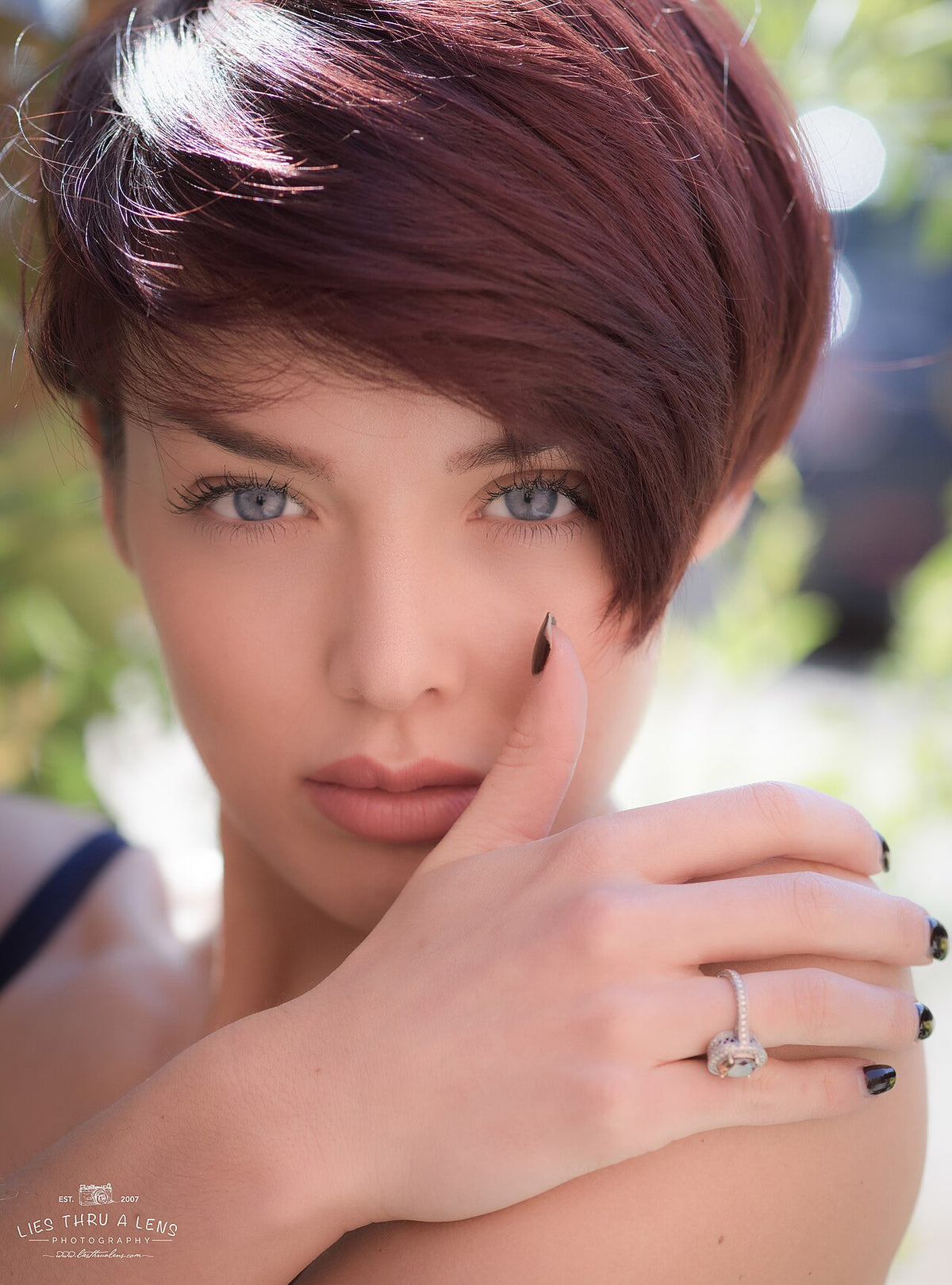
A good portrait relies on soft light (a window, the shadow of a building, an overcast sky), a slightly long focal length (around 50 to 105 mm in full-frame equivalent) to avoid distorting the face, focusing on the closest eye, and a relaxed subject. The equipment matters less than these four points: a point-and-shoot or digicam can take very beautiful portraits.
The verdict in 30 seconds
The right settings
- 50 to 105 mm focal length (full-frame equivalent);
- f/2 to f/4 aperture to blur the background;
- at least 1/125 s shutter speed when shooting handheld.
What to avoid
- the midday sun, which creates deep shadows in the eyes;
- using a wide-angle lens very close to the face;
- direct on-camera flash, unless the effect is intentional.
Light first
| Light | Effect | Tip |
|---|---|---|
| Side window | Soft, sculpted, very flattering | Place the person at a 45° angle to the window, with a white sheet or piece of paper as a reflector on the other side |
| Open shade (under a porch, in the shadow of a wall) | Soft and even | Turn the face toward the brighter area |
| Overcast sky | Very soft, low contrast | Ideal for beginners; add depth by choosing a dark background |
| Golden hour (sunrise, sunset) | Warm, golden | Sun to the side or behind the person (backlighting) |
| Midday sun | Harsh, shadows under the eyes | Seek shade, or use flash to fill in the shadows |

Focal length and distance
The closer you are with a wide-angle lens, the larger the nose appears and the more the ears disappear. Step back and use a 50 to 105 mm focal length on a full-frame SLR, or the "medium telephoto" setting on a point-and-shoot zoom. On a digicam, avoid the maximum wide-angle setting for a close-up portrait. For a full-length or environmental portrait, a 35 mm lens at a reasonable distance works very well.
Aperture and background
A wide aperture (f/1.8 to f/2.8) blurs the background and isolates the face, but the depth of field becomes very shallow: at close range, at f/1.8, one eye may be in focus while the other is blurred. f/2.8 to f/4 is often a good compromise. Point-and-shoots and digacams with small sensors blur the background much less: move the person away from the background and zoom in to enhance the effect.
Tip: on a point-and-shoot without manual mode, the "Portrait" mode opens the aperture as wide as possible and sometimes softens the rendering. Combine it with a distant background and a telephoto zoom setting.
Focusing on the eyes
The eyes must be in focus. With autofocus, place the center focus point on the closest eye, press the shutter button halfway to lock focus, recompose, then take the shot. When focusing manually, focus on the eyelashes.
Directing the person
- talk, make them laugh, give them an action (look into the distance, fix their hair, walk toward you);
- shoulders slightly turned, face toward the lens: it's more flattering than facing forward;
- chin slightly forward and down to avoid a double chin;
- take shots between poses: candid moments are often the best.
Film, digicam, or flash portrait
- Film: a 400 ISO color film like Kodak Portra 400 gives soft skin tones; overexposing by a third of a stop is often flattering. Compare it in Kodak Gold 200 vs Portra 400.
- Digicam: direct flash gives the highly sought-after "2000s" look. Stay 1–3 m away to avoid blowing out the face. See the settings for the 2000s look.
- Fill flash: in bright sunlight, a quick flash fills in the shadows on the face. The details are in Flash photography: techniques.
A successful portrait starts with a person who feels comfortable in front of you.
See our film cameras → See our vintage digital cameras →
Frequently asked questions
What lens to use for portraits on a film SLR?
A 50 mm f/1.8 or f/1.7 is the most affordable and versatile choice; an 85 or 100 mm is ideal for close-up portraits.
How to blur the background with a point-and-shoot?
Zoom in, get closer to the subject, and move them away from the background. The effect will still be subtler than with an SLR because of the small sensor.
Should you ask permission to photograph someone?
For a posed portrait, it's essential. And to publish a photo of a recognizable person, their consent is generally required in France.