










Golden hour and blue hour: when and how to photograph
Golden hour and blue hour: definition, how to predict them, and the settings to make the most of them in landscape, portrait, and urban photography.
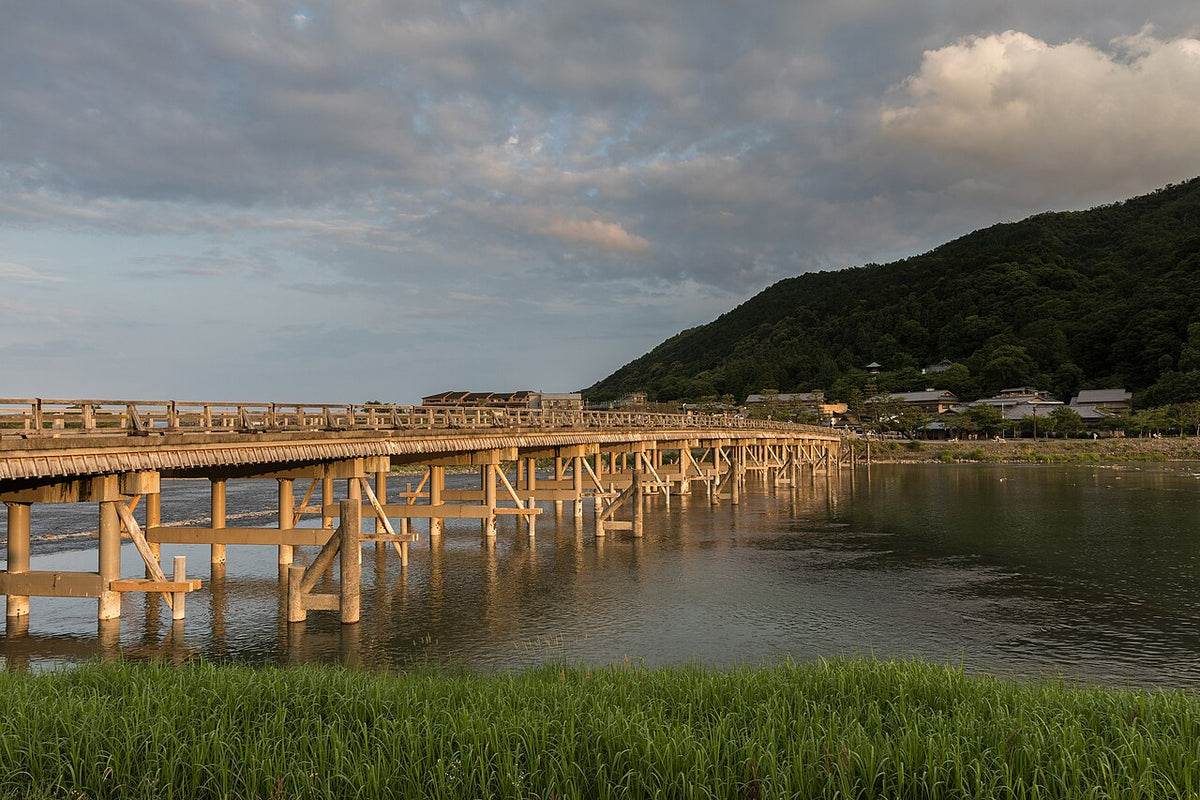
The golden hour is the period following sunrise and preceding sunset when the sun is low on the horizon: the light is warm, soft, and low-angled. The blue hour occurs just before sunrise and just after sunset when the sun is below the horizon: the sky takes on a deep blue that balances with city lights. Their duration varies depending on the season and latitude; an ephemeris app provides the exact times for your location.
Why the light is so beautiful
- Golden hour: the low sun passes through more of the atmosphere, making the light warm and less harsh; shadows lengthen and sculpt the terrain and faces.
- Blue hour: no more direct sunlight, only light scattered by the sky, which is very blue; lit streetlights and windows stand out in orange.

Planning the times
In France, the golden hour lasts longer in winter, when the sun remains low, than in summer. Apps like PhotoPills or The Photographer's Ephemeris show the times and the sun's direction. Arrive at least 30 minutes early to position yourself.
Golden hour settings
| Subject | Starting settings |
|---|---|
| Landscape | f/8 to f/11, low ISO, tripod if the shutter speed drops below 1/60 s |
| Portrait | Wide aperture (f/2 to f/4), sun behind or to the side, +1 exposure compensation for backlit shots |
| Street | Long shadows and silhouettes, meter for the highlights |
Think about white balance: in automatic mode, the camera may "correct" the warm light. Set it to Daylight or Cloudy to preserve the golden atmosphere. For backlit shots, read backlit photography and for landscapes, our landscape tips.
Blue hour settings
- Tripod essential: shutter speeds of 1 to several seconds at low ISO (which tripod).
- Timer or remote shutter to avoid camera shake (shutter and remote).
- Aperture f/8 for starburst city lights.
- White balance Daylight to preserve the blue, or cooler to accentuate it.

Blue hour is the best time to photograph a lit city: there is still enough light in the sky so that it is not black. After that, make way for night: see night photography and long exposure.
Film photography
A 400 ISO film holds up well at golden hour handheld. At blue hour, long exposures on film often require a bit more exposure than the light meter indicates (reciprocity effect): take several shots at different shutter speeds. A film for artificial light like CineStill 800T gives a very cinematic look in the city.
Frequently asked questions
How long does the golden hour last?
It varies depending on the season and latitude: from a few dozen minutes to over an hour. It is longer in winter in France.
Is blue hour before or after sunset?
After sunset (and before sunrise), when the sun has passed below the horizon but the sky is still bright.
Do you need a tripod for blue hour?
Yes, in practice: shutter speeds become too slow for handheld shooting at low ISO.
All cameras sold on Vibes Photo are checked before shipping and covered by a 6-month warranty (details in our general terms and conditions of sale).