










Give a digital photo a film look (without cheating)
How to give a digital photo a film look: when shooting, with free editing, using film simulations, and the limits of imitation.
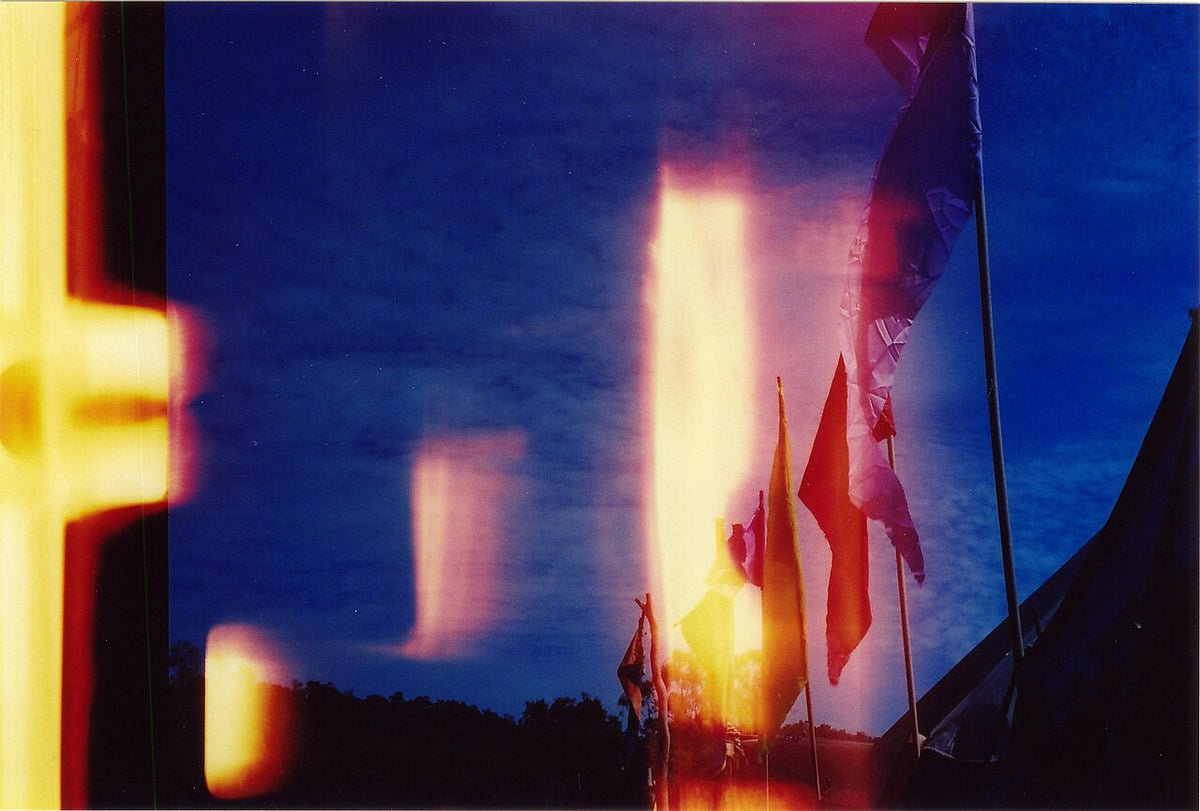
To give a digital photo a film look, you play with four things: slightly faded blacks (raised bottom curve), film-inspired colors, a subtle grain, and, if you like, imperfections (light leaks, vignetting). You can do this for free with darktable, RawTherapee, or Snapseed. But let's be honest: it's an imitation. The real look, the real grain, and the surprise—only film can give you those.
1. From the moment you take the shot
- Light: the soft light of late afternoon and a slight backlight already bring you closer to a film look.
- Exposure: avoid blown-out highlights—it's the most visible sign of digital.
- Prime lens and simple framing: 35 or 50 mm, like on a film point-and-shoot or SLR.
- Built-in film simulations: Fujifilm cameras offer in-camera film simulations, and communities like Fuji X Weekly share setting "recipes".
- Vintage camera: a 2000s CCD gives a different look without editing (2000s CCD cameras).
2. In editing, step by step
- Curve: slightly raise the black point for matte blacks, lower the white point a bit.
- Colors: slightly tinted shadows (green or blue), warmer highlights. Desaturate overly bright colors a bit.
- Grain: add it last, fine and subtle. Real grain varies with the film's sensitivity.
- Light vignetting, if you like.
- Light leak: an orange touch on one edge, used sparingly.
RawTherapee can apply film simulation profiles (HaldCLUT files); darktable offers grain, curves, and color grading. Details on these programs: free photo editing software.

What we can't really imitate
- Negative latitude in the highlights, which "roll off" gently instead of blowing out.
- Real grain, which is part of the image rather than layered on top.
- Accidents: expired film, light leaks, accidental double exposures.
- Relationship with time: 36 exposures, no screen, the wait for development.

How about trying real film?
An automatic film point-and-shoot often costs less than a subscription to a filter pack, and every photo is unique. To compare the two approaches, read film or vintage digital and how much film photography costs. For a retro video look, see filming with a VHS look.
All cameras sold on Vibes Photo are checked before shipping and covered by a 6-month warranty (details in our general terms and conditions of sale).