










Polaroid Now, Now+, Flip or I-2: which modern Polaroid should you choose?
Now Gen 3, Now+, Flip, I-2 and Go Gen 2: what sets them apart, compatible films, and when to choose a vintage Polaroid.
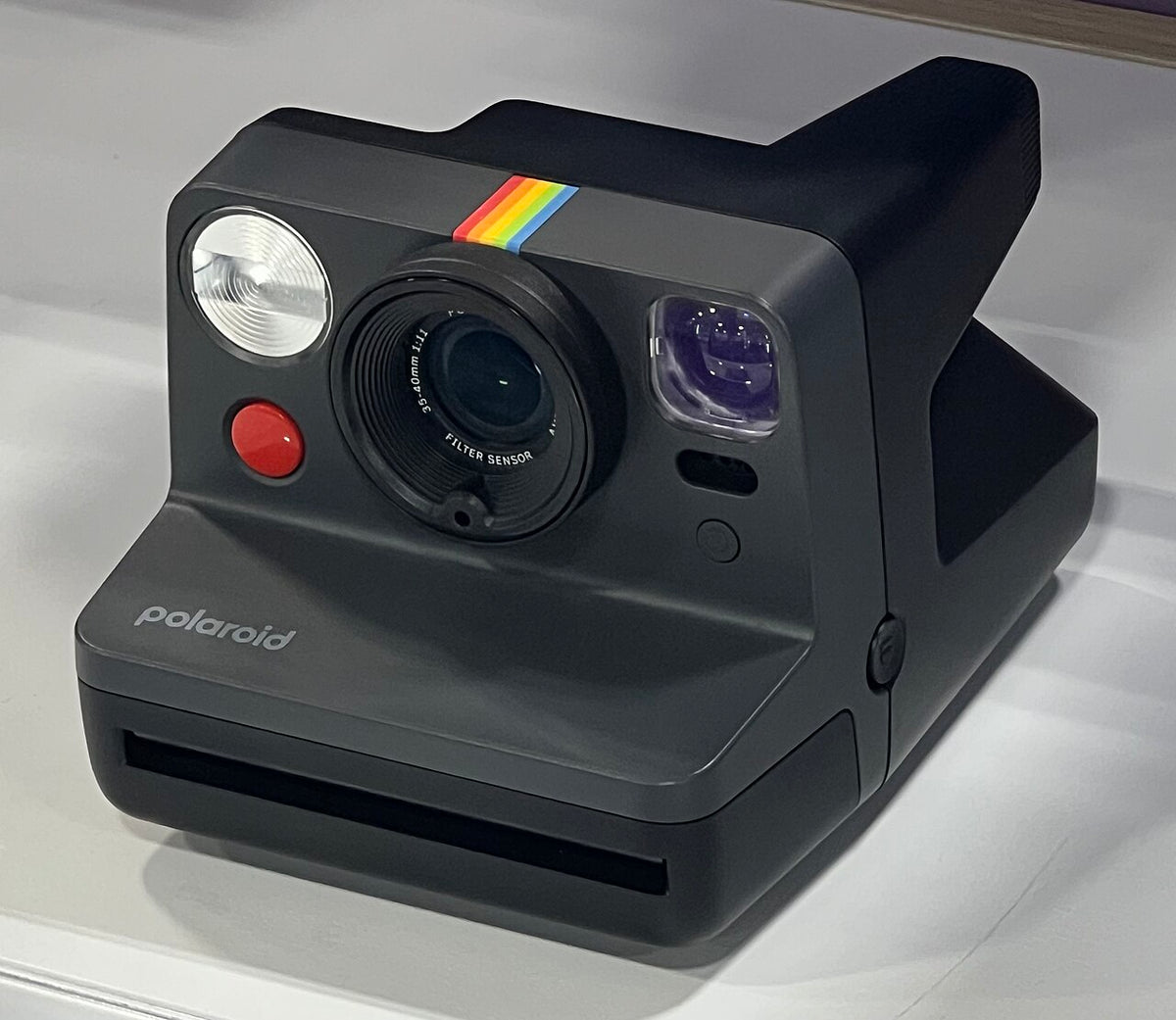
For a hassle-free first Polaroid experience, the Polaroid Now is the safest choice: two-zone autofocus, flash, rechargeable battery, and compatibility with i-Type and 600 films. The Now+ adds settings via the app, the Flip offers finer focusing and a more powerful flash, and the I-2 provides genuine manual controls for demanding photographers. The Polaroid Go, meanwhile, uses a smaller, separate film.
The verdict in 30 seconds
The right choice for most
- Polaroid Now (3rd generation);
- simple, reliable, compatible with i-Type and 600 film;
- USB rechargeable battery.
For more
- Now+: creative modes via the app;
- Flip: more precise autofocus, more powerful flash;
- I-2: manual modes, also accepts SX-70 film.

The current Polaroid range
| Camera | Compatible films | Focusing | For whom |
|---|---|---|---|
| Polaroid Now (Gen 3) | i-Type, 600 | Two-zone autofocus | Beginners, everyday use |
| Polaroid Now+ (Gen 3) | i-Type, 600 | Two-zone autofocus | Creatives: app, filters |
| Polaroid Flip | i-Type, 600 | Sonar autofocus, multiple lenses | Creative everyday use |
| Polaroid I-2 | i-Type, 600, SX-70 | Autofocus, manual modes | Demanding photographers |
| Polaroid Go (Gen 2) | Go only | Fixed | Travel, small format |
Source: 2026 Polaroid camera guide and Polaroid comparison.
Polaroid Now: the essentials
The Now retains the silhouette of the 1977 OneStep. According to Polaroid, the 3rd generation features two-lens autofocus (standard and portrait), six usable apertures from f/11 to f/64, a self-timer, double exposure mode, a tripod mount, and a rechargeable battery that lasts for about 15 packs of film. The Now+ adds connection to the Polaroid app (long exposure, double exposure, manual control) and a set of clip-on color filters.

Flip and I-2: for more control
The Flip uses sonar autofocus and multiple lenses for more precise focusing, a brighter flash, and an underexposure or overexposure warning. The I-2 is the first instant Polaroid with genuine manual controls: aperture priority, manual mode, cell indicator, and aperture up to f/8. It also accepts SX-70 film. It is the most expensive in the range.
And the Polaroid Go?
The Go is tiny and uses Go film, which is smaller (image size around 47 × 46 mm). It is perfect for travel or for younger users, but its photos are significantly smaller than the classic Polaroid format, and Go film does not fit in any other camera.

Modern or vintage?
| Criterion | Modern Polaroid (Now, Flip) | Vintage Polaroid (600, SX-70) |
|---|---|---|
| Power supply | Rechargeable battery | Battery in the film |
| Film | i-Type (cheaper) or 600 | 600 or SX-70 only |
| Focusing | Autofocus | Fixed, sonar, or manual depending on the model |
| Charm | Modern design | Period piece, identical rendering with the same film |
With the same film, a vintage and a modern camera produce a very similar result: it is the chemistry that creates the style. The real difference is in the convenience and the cost of the film. For vintage models, read Vintage Polaroid 600 cameras and Polaroid SX-70: review.
Tip: with a Now, buy i-Type film instead of 600: same result, without the unnecessary battery, so cheaper.
To get an idea of the result, see examples of photos taken with the Polaroid Now Gen 3 on Lomography (community photos, owned by their authors).
Frequently asked questions
What is the difference between the Polaroid Now Gen 2 and Gen 3?
The 3rd generation mainly improves exposure and the flash algorithm, and accepts the Now and Now+ filter set reserved for this generation, according to Polaroid. The principle remains the same.
Does the Polaroid Now accept SX-70 film?
No, only i-Type and 600. Among the current models, only the I-2 accepts SX-70.
Polaroid or Instax for beginners?
Instax is cheaper per photo and more forgiving, Polaroid offers a large format and a softer result. The comparison is in Polaroid or Instax: which to choose?