










Used Leica M8 and M9: reviews, CCD sensor and pitfalls to avoid
The Leica M8 and M9 are Leica's digital rangefinder cameras with CCD sensors. Differences, known issues (infrared, sensor corrosion), and pre-purchase checks.
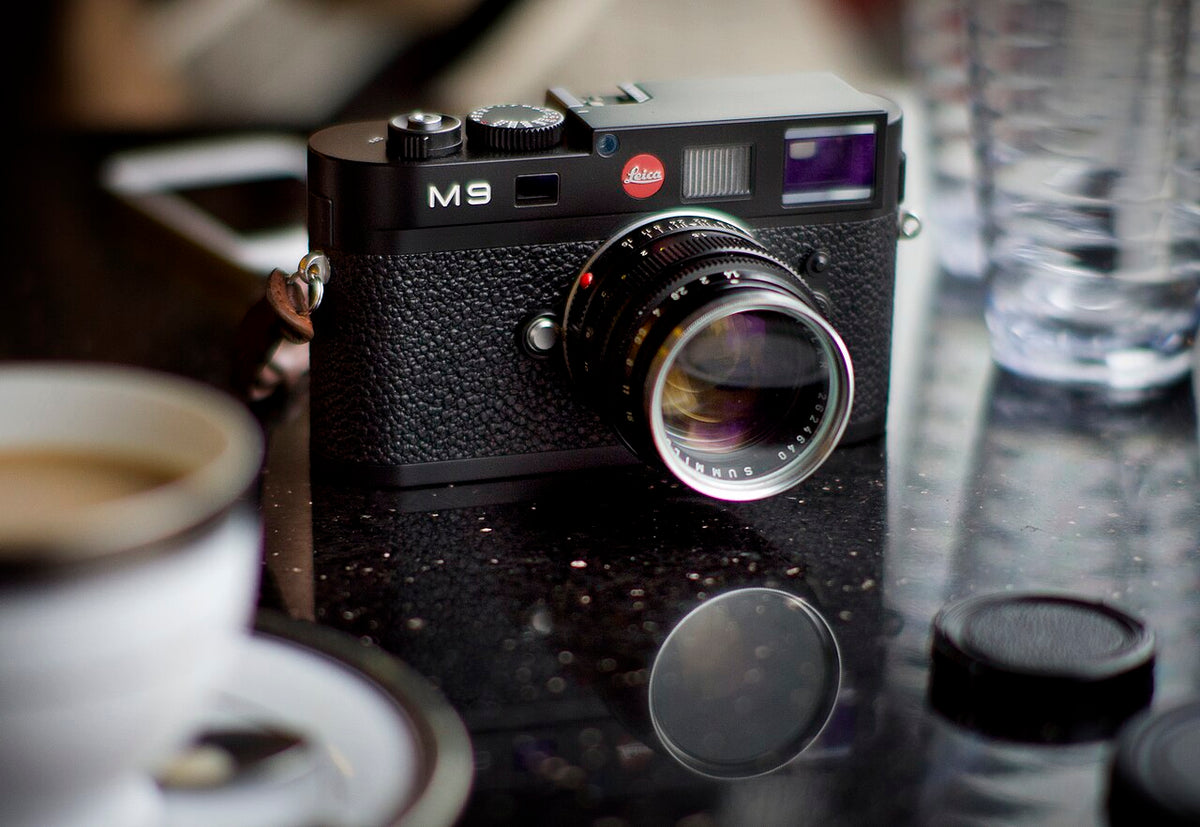
The Leica M8 (2006) and M9 (2009) are Leica's first two digital rangefinders with an M mount. Both feature a Kodak CCD sensor, which explains their appeal to fans of CCD rendering. But they are also bodies with known flaws that need to be understood before buying.
M8 or M9: the differences
| Leica M8 | Leica M9 | |
|---|---|---|
| Release | 2006 | 2009 |
| Sensor | 10.3 MP Kodak CCD, APS-H | 18 MP Kodak CCD, full-frame |
| Crop factor | 1.33 | None (24 x 36) |
| Infrared filter | Very thin, infrared-sensitive | Thicker |
| Card | SD | SD / SDHC |
Sources: Leica Camera, Wikipedia (Leica M8, Leica M9), DPReview.
The M8 flaw: magenta cast
The filter in front of the M8 sensor is very thin: it lets some infrared light through. As a result, some black synthetic fabrics appear purple or magenta. The solution is well known: screw a UV/IR filter onto each lens. For black-and-white photography, this flaw is less problematic.
The 1.33 crop factor also changes the focal length: a 35 mm lens gives a framing close to a 47 mm on the M8.
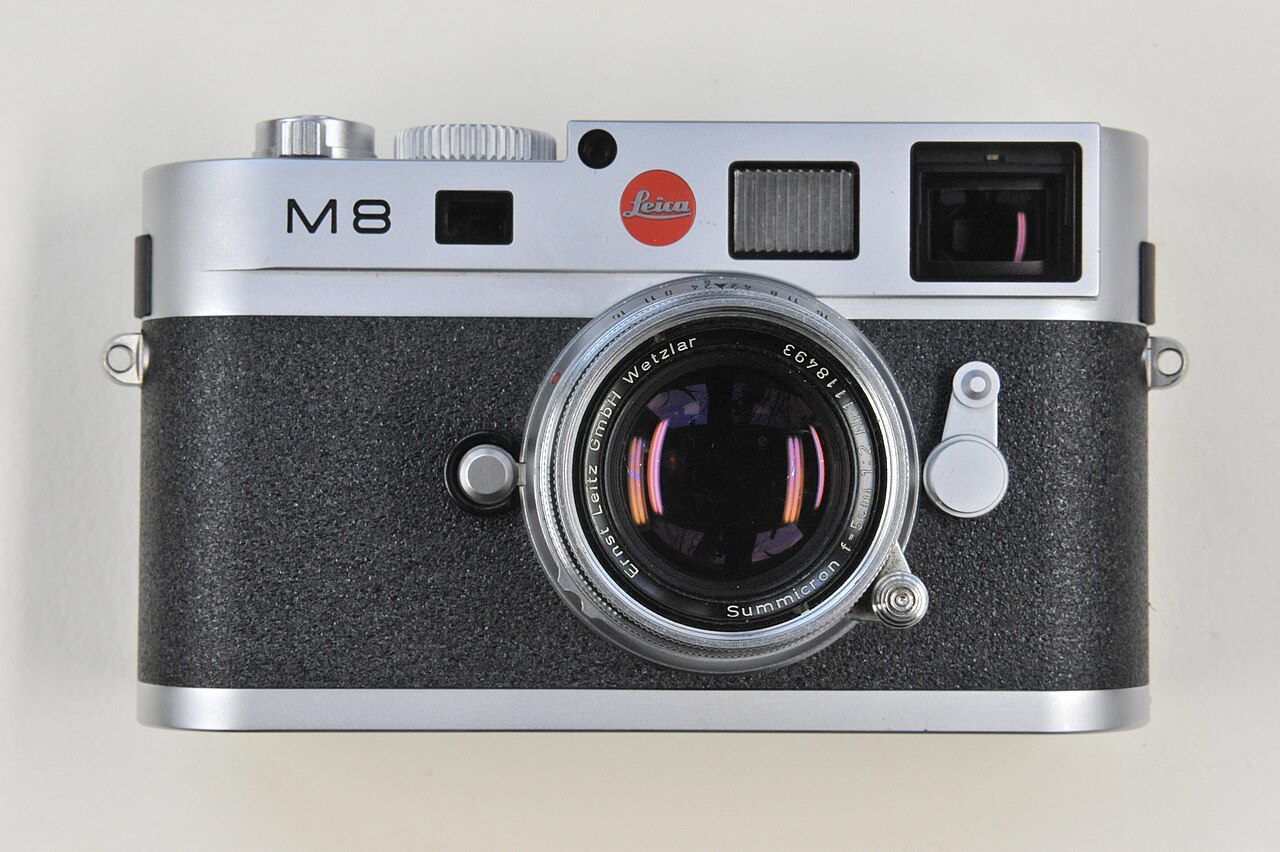
The M9 flaw: sensor corrosion
On some M9, M9-P, M-E and M Monochrom (CCD type) models, the sensor's protective glass corrodes. This results in white spots or dots visible in photos taken at a small aperture (f/16) against a plain background. Leica initially replaced these sensors. As CCD sensors are no longer available since 2020, the brand now offers a trade-in or exchange program for a newer body: check with Leica customer service before buying.
Simple test: photograph a plain sky or white wall at f/16, then enlarge the image to 100%. Regular spots that do not move from one photo to another indicate dust or corrosion. For dust, see our guide to cleaning a sensor.
Points to check
- Sensor: test at f/16 as described above, and sensor replacement history (Leica invoice if possible);
- Rangefinder: the two images must superimpose perfectly at infinity and close up;
- Screen: the M8 and M9 screens are small and low-resolution, which is normal;
- Battery: check that it holds a charge;
- Mount: check for signs of wear and the 6-bit coding of the lenses, useful for corrections.
Who is it for?
The M8 is the most affordable entry point into the digital Leica M. The M9 offers full-frame and the true focal length of the lenses. Both require patience: limited high ISO, manual rangefinder focusing, rudimentary screen. For the brand's history and film models, see our Leica guide.
Other CCD bodies: the list of CCD cameras.
At Vibes Photo, each camera is inspected before being put up for sale and covered by a six-month commercial warranty, in addition to the legal warranties of conformity and against hidden defects. Details can be found in our general terms and conditions of sale.
Frequently asked questions
Does the Leica M9 have a CCD sensor?
Yes, an 18 MP full-frame Kodak CCD.
Why does the Leica M8 produce purple blacks?
Its infrared filter is very thin. A UV/IR filter on the lens corrects this flaw.
How can you tell if an M9 sensor is corroded?
Photograph a plain surface at f/16 and look for fixed white spots at 100%. Also ask for the sensor replacement history.
Does the M8 have a crop factor?
Yes, 1.33 (APS-H format).
Main image: black Leica M9 on a table with its lens. Photo: Andrew Xu, CC BY-SA 2.0, via Wikimedia Commons